
Origami Blog Posts ● 25 Jan 2025
Sustainable Art: The Role of Origami in Eco-Friendly Design
In today’s world, where environmental concerns are increasingly at the forefront of public consciousness, sustainability has become a key consideration in many aspects of life, including art. Artists and creators are seeking ways to minimize their environmental impact while still producing meaningful and beautiful works. Origami, the ancient Japanese art of paper folding, offers a unique avenue for creating eco-friendly art. With its emphasis on simplicity and minimalism, origami aligns perfectly with sustainable practices. In this blog, we’ll explore the role of origami in eco-friendly design, highlighting its minimal environmental impact, the benefits of using recycled materials, and its potential to promote environmental awareness.

Origami as an Eco-Friendly Art Form
Origami is inherently eco-friendly due to its minimal use of resources. Unlike many other art forms that require a variety of materials, tools, and often involve waste, origami relies solely on paper and the artist’s skill in folding. There’s no need for glue, paint, or additional materials, making it a low-impact art form that generates very little waste.
Moreover, the simplicity of origami encourages mindfulness and appreciation for the natural world. The process of folding a piece of paper into a beautiful object reflects the idea of creating something valuable from very little. This minimalist approach aligns with the principles of sustainability, where less is more, and every resource is used thoughtfully and with intention.
Using Recycled Paper in Origami
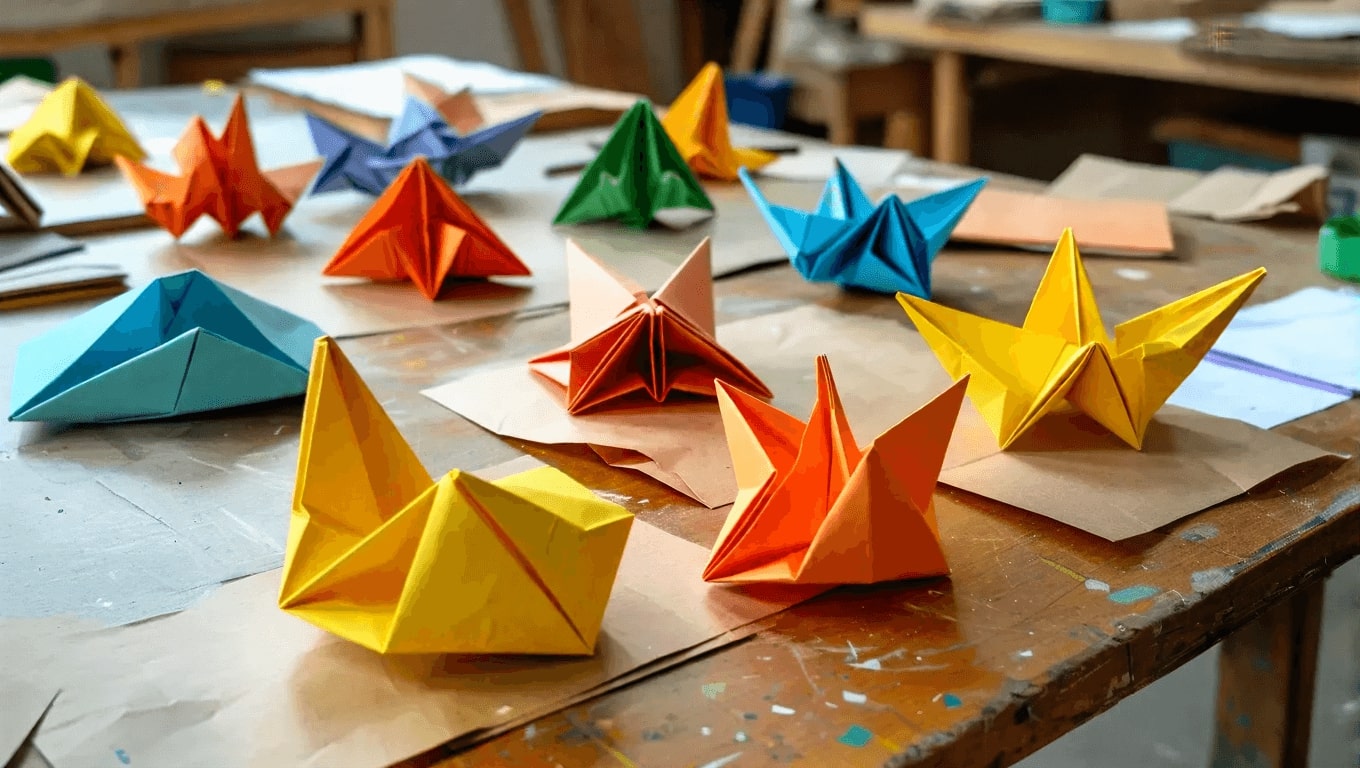
One of the most effective ways to make origami even more sustainable is by using recycled paper. Recycled paper reduces the demand for new paper production, which in turn decreases deforestation, energy consumption, and greenhouse gas emissions. By repurposing materials that would otherwise be discarded, artists can create beautiful origami works while contributing to the reduction of waste.
Here are some benefits of using recycled paper in origami:
- Environmental Impact: By choosing recycled paper, you’re helping to reduce the strain on natural resources and supporting the recycling industry.
- Unique Aesthetic: Recycled paper often comes in a variety of textures, colors, and patterns, which can add a unique and distinctive look to your origami creations.
- Cost-Effective: Recycled paper is often more affordable than new, high-quality paper, making it a budget-friendly option for artists.
Whether it’s old newspapers, magazines, or packaging materials, almost any type of paper can be repurposed for origami, offering endless possibilities for creative and sustainable projects.
Sustainable Origami Projects
Creating sustainable origami art involves not only using eco-friendly materials but also focusing on projects that promote environmental awareness and sustainability. Here are some ideas for sustainable origami projects:
- Upcycled Origami Decorations: Use old gift wrap, brochures, or scrap paper to create origami decorations for your home or events. These decorations can be used year after year, reducing the need for disposable decor.
- Origami Plant Pots: Fold origami pots or holders for small plants using recycled paper. These can be used for seedlings or as decorative covers for existing plant pots, adding a green touch to your space.
- Reusable Origami Gift Boxes: Instead of buying new gift boxes, fold your own from recycled paper. These boxes can be reused multiple times, reducing waste during gift-giving occasions.
- Educational Origami: Create origami models that represent endangered species or environmental symbols. Use these models in educational settings to raise awareness about conservation and the importance of protecting our planet.
Origami and Environmental Awareness
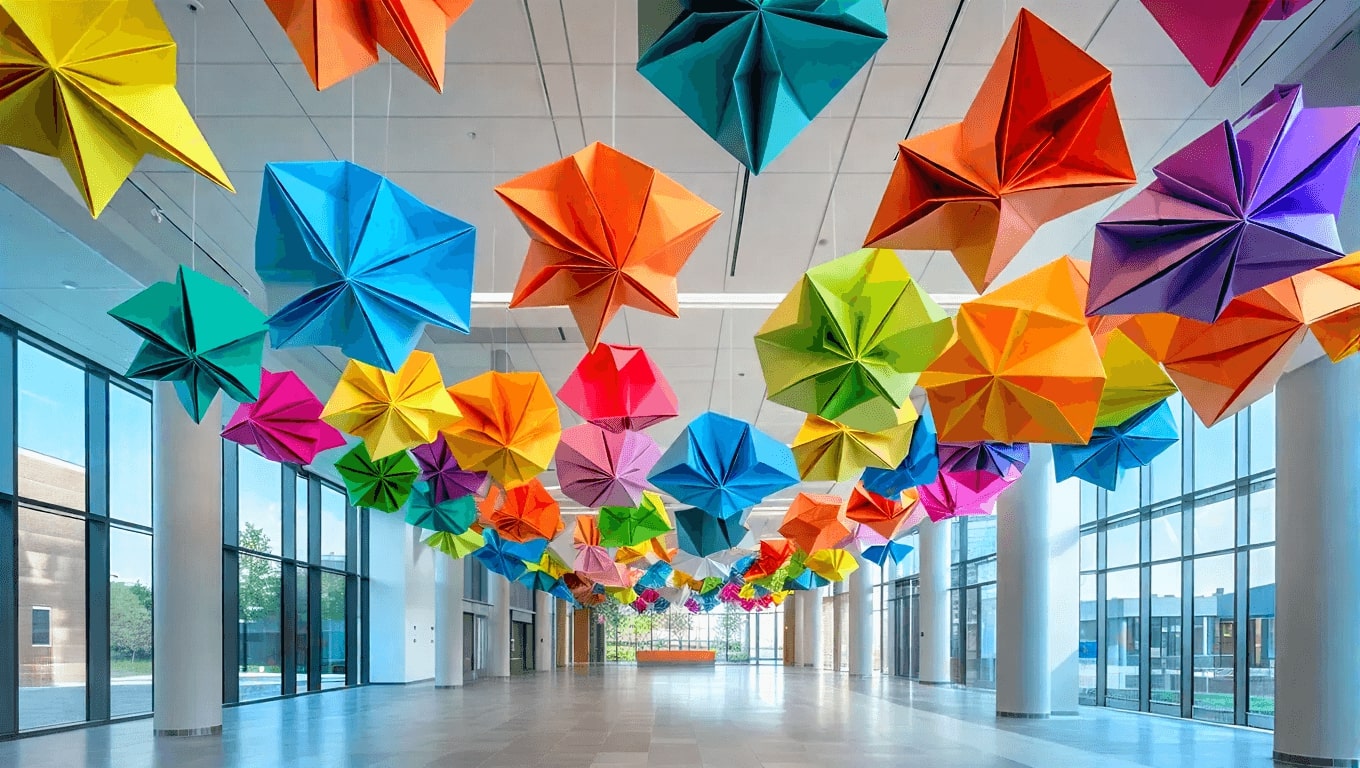
Origami has the power to communicate messages about environmental awareness and sustainability. Through thoughtful design and creative expression, origami can be used to highlight the beauty of nature, the importance of conservation, and the need for sustainable practices. Artists can use origami to create representations of endangered animals, delicate ecosystems, or even abstract concepts like climate change.
By incorporating themes of nature and sustainability into their work, origami artists can inspire others to think more deeply about their relationship with the environment. Whether displayed in galleries, community spaces, or educational settings, sustainable origami art can serve as a powerful tool for promoting eco-consciousness.
Case Studies: Examples of Artists and Projects Focusing on Sustainable Origami
Several artists and projects have embraced the idea of sustainable origami, using their work to promote environmental awareness and inspire change. Here are a few examples:
- Artist 1: Eric Joisel – A renowned origami artist known for his intricate and lifelike sculptures, Joisel often used recycled paper and emphasized the importance of sustainability in his work. His creations, which ranged from animals to fantasy figures, showcased the beauty of paper as a medium and the potential for art to inspire environmental stewardship.
- Project 1: “Origami for the Environment” – This community-based project involves workshops and events where participants create origami models using recycled materials. The project aims to educate people about the importance of recycling and sustainable practices while fostering creativity and community engagement.
- Artist 2: Mademoiselle Maurice – A French artist who combines origami with street art, Mademoiselle Maurice creates vibrant and large-scale installations using folded paper. Her work often features recycled paper and focuses on themes of nature, peace, and environmental protection.
These artists and projects demonstrate the versatility of origami as a medium for sustainable art, as well as its potential to inspire positive change.
Conclusion
Origami, with its emphasis on simplicity, minimalism, and creativity, is a perfect fit for sustainable art. By using recycled materials, focusing on eco-friendly projects, and promoting environmental awareness, origami artists can make a positive impact on both the art world and the planet. As we continue to face environmental challenges, embracing sustainable practices in all aspects of life, including art, is more important than ever. Whether you’re an experienced folder or new to origami, consider adopting sustainable practices in your work and sharing the beauty of eco-friendly design with others.
Comments
0 approved comment(s)
No comments yet. Be the first to share your thoughts!
More from Origami Blog Posts
Dive into more creative origami ideas, stories, and inspiration.

Origami in Home Decor: Creative Ideas to Beautify Your Space
Home decor is an expression of personal style and creativity, and finding unique ways to enhance your living space can make your home truly special. One of the most creative and versatile ways to beautify your space is by incorporating origami into your decor. The art of paper folding, with its delicate and intricate designs, can add a touch of elegance, whimsy, or sophistication to any room. In this blog, we’ll explore various ways to use origami in home decor, from wall art and centerpieces to lighting and plant holders. Whether you’re looking to create a cozy atmosphere or make a bold statement, origami offers endless possibilities for transforming your home.
Read more
Origami for Mindfulness: How Paper Folding Can Reduce Stress
In today’s fast-paced world, stress has become a common experience, and finding ways to unwind and relax is more important than ever. While there are many methods to manage stress, one often overlooked but highly effective technique is origami, the ancient Japanese art of paper folding. Beyond creating beautiful shapes and figures, origami offers therapeutic benefits that can help calm the mind, improve focus, and promote overall well-being. In this blog, we’ll explore how origami can be used as a tool for mindfulness and stress reduction, and how you can incorporate this practice into your daily routine.
Read more
Custom Origami Gifts: Personalized Creations for Every Occasion
In a world where gifts are often mass-produced, custom origami offers a refreshing alternative—one that is thoughtful, unique, and handcrafted with care. Origami, the ancient art of paper folding, allows you to create personalized gifts that are not only beautiful but also deeply meaningful. Whether it’s a birthday, wedding, or holiday, a custom origami gift stands out as a symbol of creativity and personal connection. In this blog, we’ll explore how you can tailor origami designs for various occasions, offering inspiration for unique and memorable gifts that leave a lasting impression.
Read more