
Origami Blog Posts ● 20 May 2026
The Challenges and Triumphs of Running a Handmade Origami Business
Handmade products have a special place in today's world. While mass-produced items dominate the market, many customers continue to seek unique, handcrafted creations that carry a personal touch. Among these artistic crafts, origami stands out as a remarkable blend of creativity, patience, and skill. Running a handmade origami business may seem like a dream for paper art enthusiasts, but behind every beautiful origami sculpture lies a journey filled with challenges, learning experiences, and rewarding achievements.

Whether it's creating custom origami gifts, decorative pieces, wedding centerpieces, or home décor items, the path of an origami entrepreneur is rarely easy. However, the satisfaction of turning creativity into a successful business makes every obstacle worthwhile.
In this blog, we'll explore the real-world challenges and triumphs of running a handmade origami business and why passion remains the key ingredient behind long-term success.
Turning a Passion into a Business
Many origami artists begin their journey simply because they love folding paper. What starts as a hobby often evolves into something larger when friends, family, or customers begin appreciating and purchasing their creations.
The transition from hobbyist to business owner is exciting, but it also introduces responsibilities beyond creativity. Suddenly, an artist must manage inventory, pricing, customer communication, shipping, marketing, and financial planning.
While creating origami remains the heart of the business, running the business itself becomes an entirely new skill to master.
Challenge 1: The Time-Intensive Nature of Handmade Origami
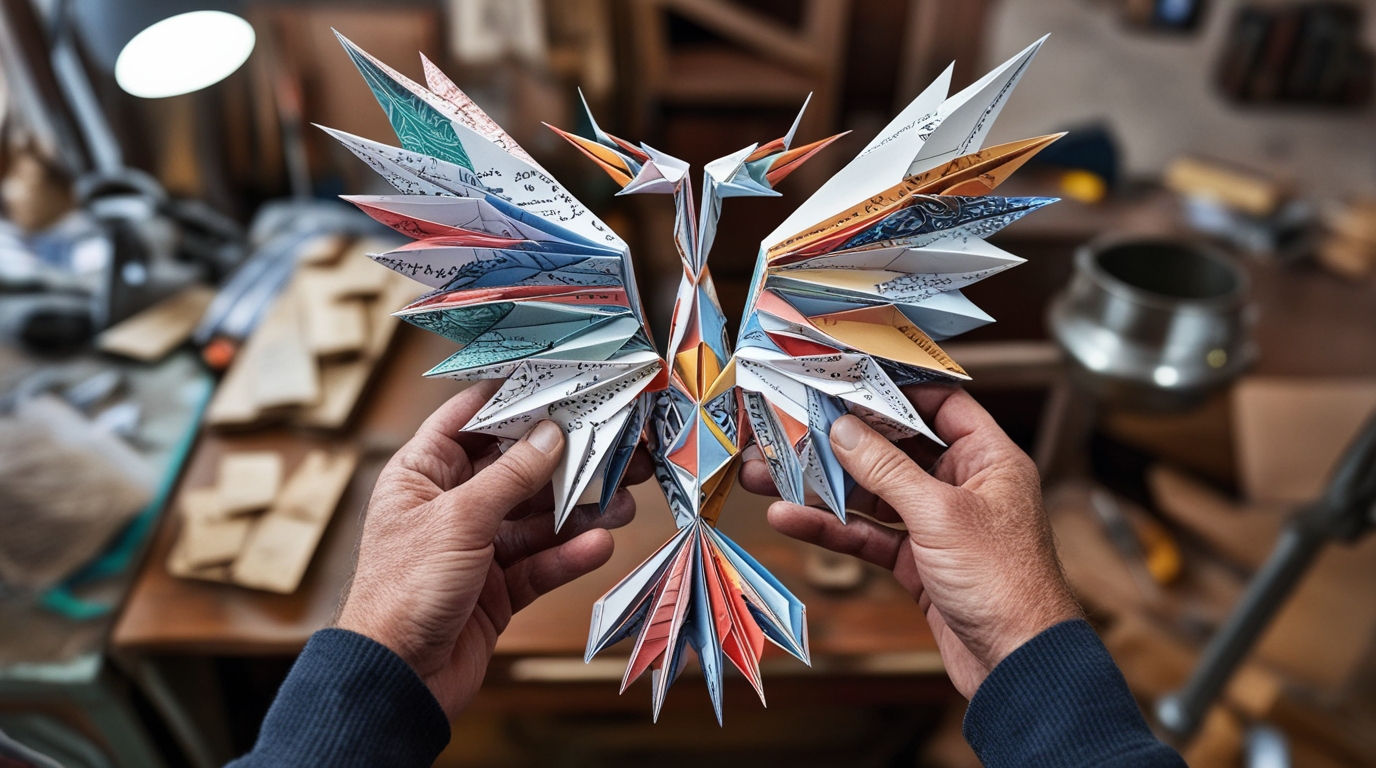
One of the biggest challenges in a handmade origami business is the amount of time required to create each piece.
Unlike factory-made products, handmade origami cannot be rushed. Complex designs often require:
- Hundreds or even thousands of folds
- Careful precision
- Quality checks
- Assembly and finishing work
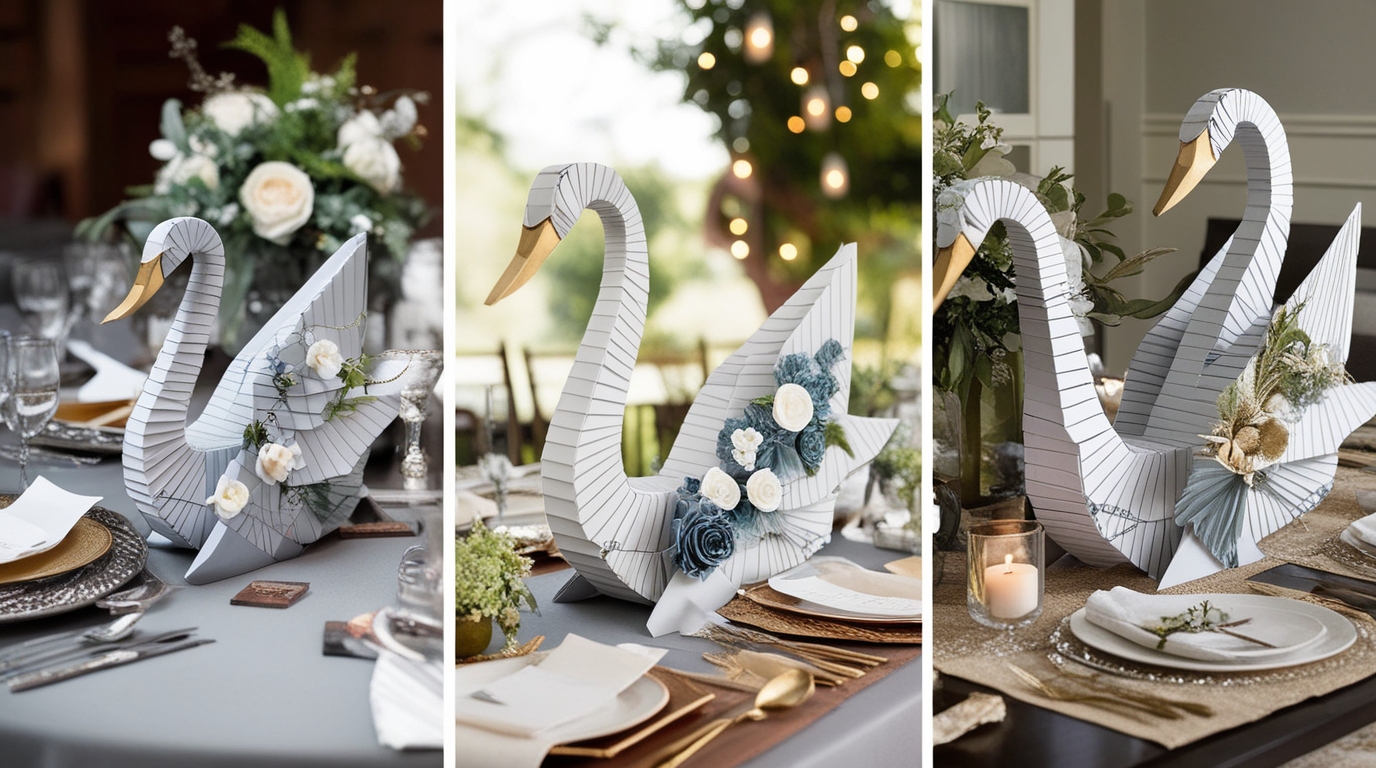
A single decorative swan or intricate peacock sculpture may take several hours—or even days—to complete.
Customers often compare handmade products to mass-produced alternatives without realizing the craftsmanship involved. Educating customers about the value of handmade work becomes an essential part of running the business.
Challenge #2: Pricing Handmade Art Fairly
Pricing is one of the most difficult decisions for any handmade business owner.
Many creators initially undervalue their work because they fear customers won't pay higher prices. However, pricing must account for:
- Materials
- Labor hours
- Packaging
- Marketing costs
- Shipping expenses
- Business overhead
When customers understand the effort involved in creating handmade origami art, they are more likely to appreciate its value.
Finding the balance between affordability and sustainability is a continuous learning process for origami entrepreneurs.
Challenge #3: Managing Custom Orders
Custom origami gifts are among the most rewarding products to create, but they also come with unique challenges.
Customers often request:
- Personalized colors
- Special themes
- Event-specific decorations
- Corporate gifts
- Wedding décor
Every custom order requires detailed communication and careful planning.
Meeting expectations while maintaining artistic integrity can sometimes be difficult. However, successful custom projects often lead to repeat customers and positive word-of-mouth referrals.
Challenge #4: Standing Out in a Competitive Online Market
Today's online marketplace is crowded with countless products competing for attention.
For a handmade origami business, visibility can be a significant challenge.
Business owners must invest time in:
- Search Engine Optimization (SEO)
- Social media marketing
- Content creation
- Product photography
- Customer engagement
Beautiful products alone are not enough. Potential customers must first discover the brand before they can appreciate its craftsmanship.
Creating educational blogs, sharing behind-the-scenes content, and showcasing the making process help establish trust and attract organic traffic.
Challenge #5: Protecting Fragile Handmade Creations During Shipping
Shipping delicate paper art is another obstacle many origami businesses face.
Unlike many products, origami sculptures can be sensitive to:
- Pressure
- Moisture
- Rough handling
- Temperature changes
Packaging therefore becomes a critical part of the customer experience.
Business owners must develop secure packaging methods that protect their creations while maintaining a premium unboxing experience. Every successful delivery represents both a logistical achievement and a satisfied customer.
Triumph #1: Seeing Customers Appreciate Handmade Art
Despite the challenges, few experiences are as rewarding as seeing customers genuinely appreciate handcrafted work.
Many customers purchase origami creations because they recognize the artistry and dedication involved. Positive reviews, thank-you messages, and customer photos provide validation that the effort invested in every piece truly matters.
These moments remind artists why they started their journey in the first place.
Triumph #2: Creating Meaningful Gifts and Memories
Handmade origami often becomes part of important life events.
Origami creations are frequently used for:
- Birthdays
- Weddings
- Anniversaries
- Corporate gifting
- Home decoration
- Festive celebrations
Knowing that a handcrafted piece contributes to someone's special memory creates a deep sense of fulfillment that extends beyond financial success.
Every order represents more than a transaction—it represents a meaningful connection.
Triumph #3: Building a Loyal Community
One of the most valuable achievements for any handmade business is building a loyal customer base.
Satisfied customers often:
- Return for future purchases
- Recommend products to friends
- Share experiences on social media
- Leave positive reviews
Over time, these relationships become the foundation of sustainable business growth.
Unlike large corporations, handmade businesses often develop genuine personal connections with customers, creating trust that cannot easily be replicated.
Triumph #4: Promoting Sustainability Through Art
As environmental awareness grows, many consumers are seeking sustainable alternatives to mass-produced products.
Origami aligns naturally with eco-conscious values because it relies on:
- Paper-based materials
- Minimal waste
- Creative resource utilization
- Handmade production methods
Many handmade origami businesses actively support sustainability by choosing responsibly sourced papers and reducing unnecessary packaging.
This combination of creativity and environmental responsibility appeals to modern consumers who value thoughtful purchasing decisions.
Triumph #5: Transforming Creativity into a Sustainable Career
Perhaps the greatest triumph is the ability to transform a creative passion into a meaningful profession.
Running a handmade origami business allows artists to:
- Express creativity daily
- Share their art with the world
- Build a recognizable brand
- Earn income through craftsmanship
- Inspire future creators
While success rarely happens overnight, consistent dedication, quality craftsmanship, and customer-focused service can gradually turn a passion project into a thriving business.
Final Thoughts
Running a handmade origami business is a journey filled with both challenges and triumphs. From long hours of meticulous folding and complex custom orders to marketing efforts and shipping logistics, the path requires patience, resilience, and continuous learning.
Yet the rewards are equally significant. The opportunity to create meaningful art, delight customers, support sustainable practices, and build a business around creativity makes the journey incredibly worthwhile.
Every handcrafted origami sculpture tells a story—not only of folded paper but also of dedication, perseverance, and artistic passion. Behind each creation is an entrepreneur who has chosen to turn imagination into reality, one fold at a time.
For customers, purchasing handmade origami means supporting craftsmanship and creativity. For artists, it means proving that passion, when combined with persistence, can become something truly extraordinary.
Comments
0 approved comment(s)
No comments yet. Be the first to share your thoughts!
More from Origami Blog Posts
Dive into more creative origami ideas, stories, and inspiration.

Origami for Festivals: Creative Décor for Diwali and Christmas
Festivals are a wonderful time to decorate our homes, spend time with family, and create beautiful memories. Whether you are celebrating the brightness of Diwali or the joyful spirit of Christmas, decorations play an important role in making the occasion special.
Read more
The Symbolism Behind Popular Origami Shapes and Figures
Origami, the ancient Japanese art of paper folding, is more than just a craft—it’s a form of expression rich with cultural significance. Over the centuries, various origami shapes and figures have come to symbolize different virtues, emotions, and ideas. These symbols transcend the physical beauty of the folded paper, carrying deep meanings that resonate with people across cultures. In this blog, we’ll explore the symbolism behind some of the most popular origami shapes, from the iconic paper crane to the delicate butterfly, and how these symbols have evolved over time.
Read more
The Science of Paper: Understanding the Materials Behind Origami
Origami, the ancient Japanese art of paper folding, is as much about the material as it is about the technique. The choice of paper is a fundamental aspect that can significantly affect the outcome of an origami piece. From the ease of folding to the durability of the finished product, the type of paper used plays a crucial role in the art form. This blog delves into the science behind origami paper, exploring the different types of paper used, their properties, and how these materials influence the final creation. Understanding the material behind origami allows artists to select the best paper for their projects, ensuring their creations are both beautiful and long-lasting.
Read more