
Origami Blog Posts ● 30 Oct 2025
The Evolution of Origami in Modern Interior Design
Origami—the delicate Japanese art of paper folding—has fascinated people for centuries. Once considered a traditional craft reserved for cultural ceremonies and artistic expression, it has now evolved into something far more dynamic and versatile. Today, origami has found a new home in modern interior design, influencing everything from lighting and furniture to wall decor and architectural structures.
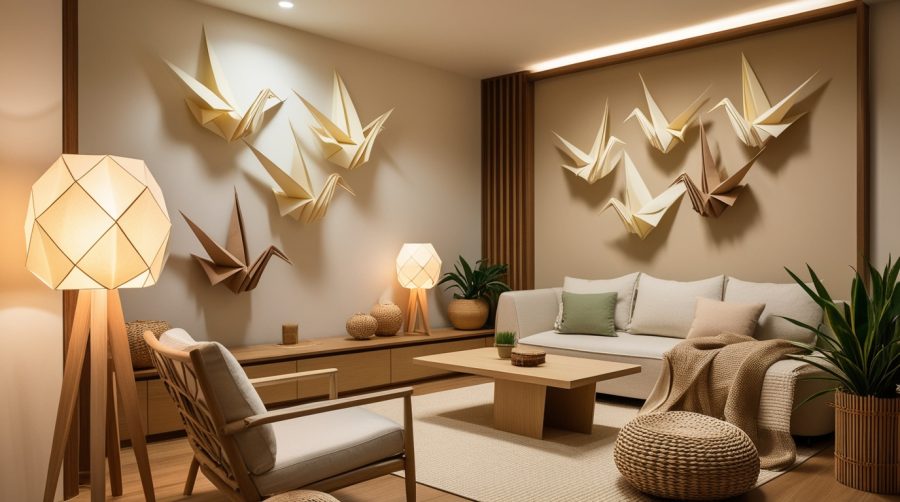
At Tulsi Origami, we’ve always believed that this ancient art form is more than just folded paper—it’s a language of design, emotion, and innovation. Let’s explore how origami has gracefully transitioned from tradition to trend, shaping the aesthetics of modern homes and spaces around the world.
The Historical Roots of Origami
The origins of origami can be traced back to Japan in the 17th century, though similar paper-folding traditions existed in China and parts of Europe. In Japanese culture, origami was often used to celebrate special occasions or express gratitude, with each fold carrying symbolic meaning. For example, the crane, one of the most iconic origami forms, symbolizes peace, hope, and longevity.
As origami techniques evolved, they became a form of artistic meditation—an exercise in patience, precision, and creativity. Over time, the discipline of origami began to inspire artists and designers worldwide, leading to a fusion between traditional craftsmanship and contemporary design.
The Transformation: From Craft to Concept
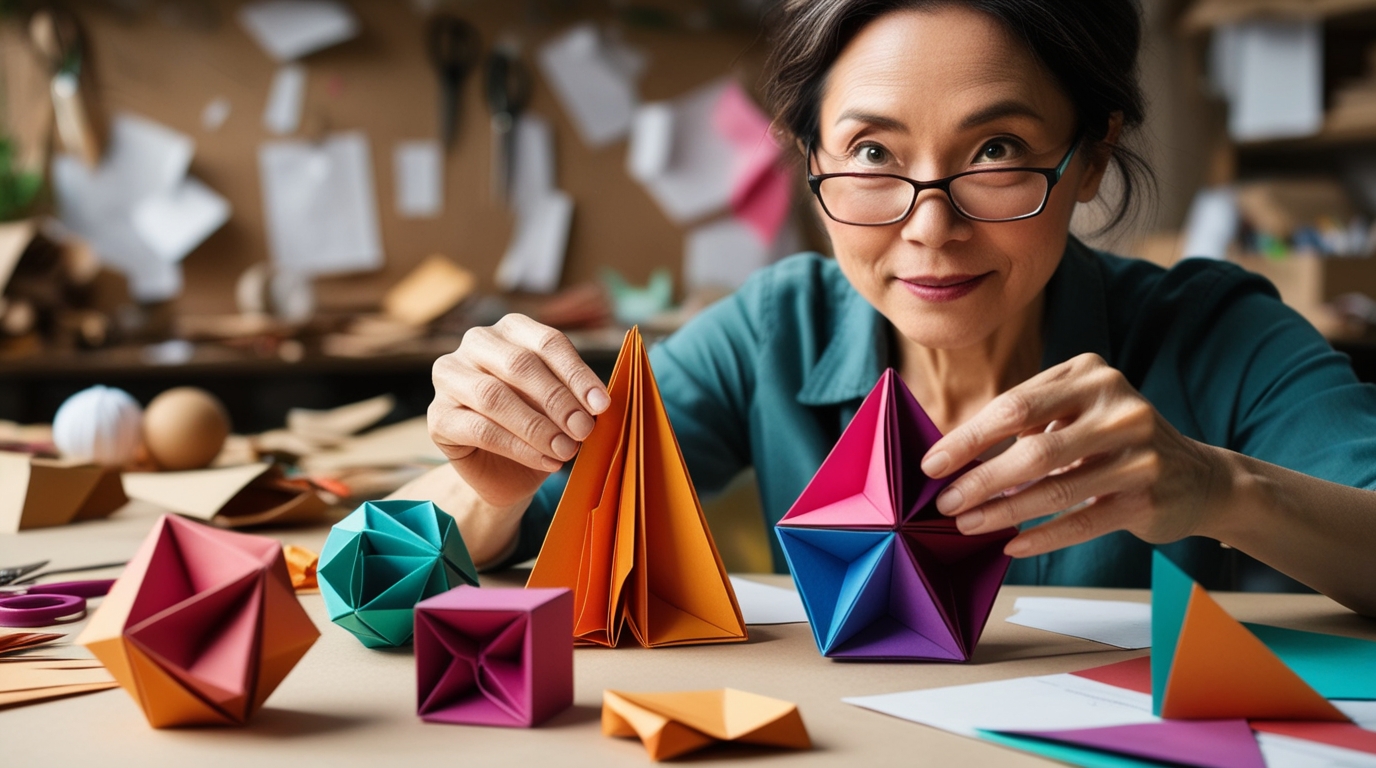
Modern designers have begun to view origami not just as an art form but as a design principle. The geometric folds, clean lines, and structural balance of origami are now being translated into architectural elements, furniture designs, and home decor.
For instance:
- Origami lamps create soft, diffused light with their intricate folds.
- Wall panels and art pieces mimic the rhythm of folded paper to bring texture and depth to interiors.
- Furniture designs inspired by origami techniques use lightweight yet durable materials that fold or unfold for functionality.
This transformation demonstrates that origami is no longer confined to paper—it has become a philosophy of design that celebrates simplicity, geometry, and movement.
Origami Meets Modern Interior Design
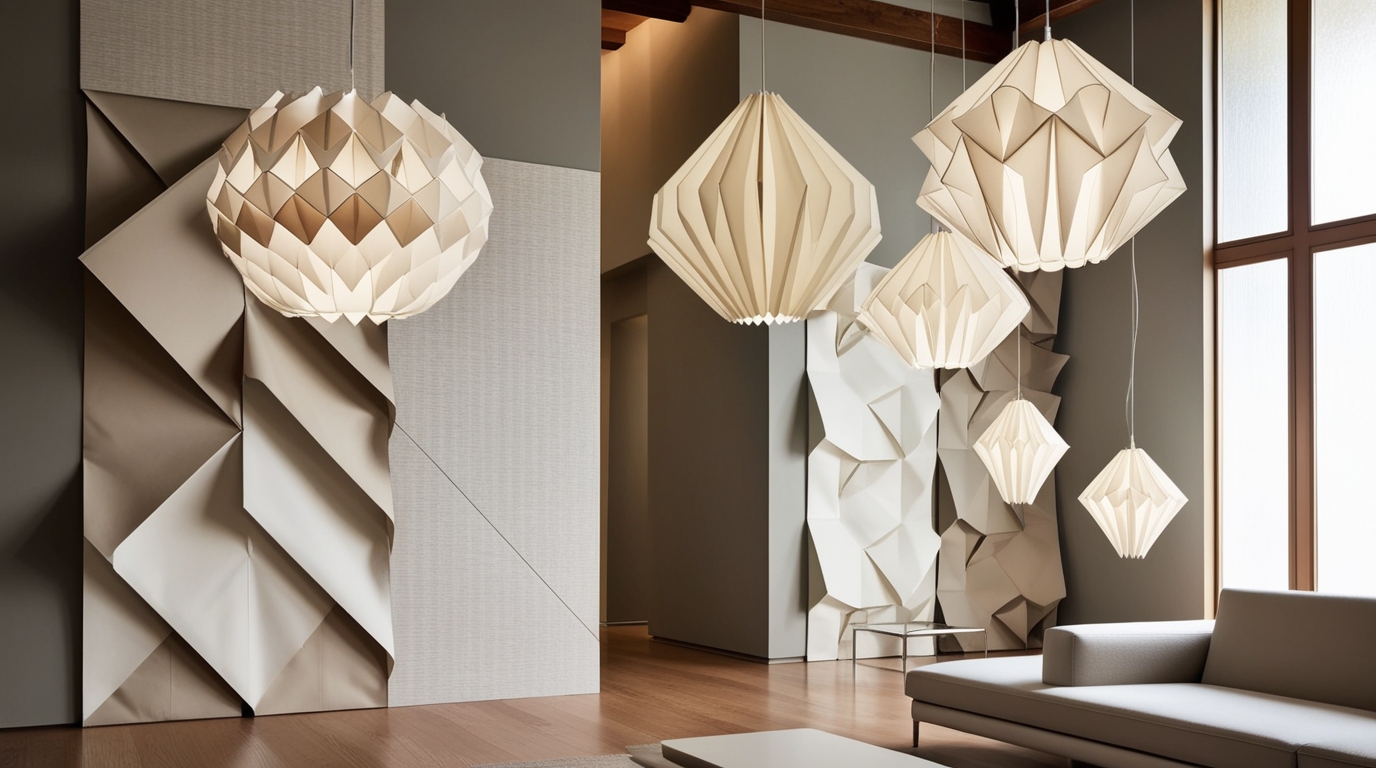
The rise of minimalism and eco-conscious design has paved the way for origami-inspired interiors. Designers now use the folding principles of origami to introduce dynamic patterns and functional elegance into modern homes.
Some popular applications include:
- Origami Lighting: Pendant lamps and table lights shaped like folded flowers or geometric polygons. These designs add sculptural beauty to any space while maintaining a soft, natural ambiance.
- Wall Decor: Origami-inspired wall installations or 3D panels bring depth and character to otherwise plain walls. The shadows cast by these folds create a stunning visual texture.
- Furniture: Chairs, stools, and shelves that utilize folding mechanics not only look artistic but also offer practical flexibility in small spaces.
- Architectural Design: Some modern buildings and interior elements use origami-like structures to create collapsible or adaptive forms, balancing art and engineering.
By incorporating origami elements into interiors, homeowners can achieve a sense of calm, creativity, and flow that resonates with the Japanese philosophy of “Ma”—the beauty of empty space.
The Symbolism Behind Origami in Home Decor
In modern interior design, origami carries both aesthetic and emotional significance. Beyond its visual appeal, it represents:
- Harmony and Balance: The symmetrical folds remind us of the balance between nature and human craftsmanship.
- Mindfulness: Folding paper into art requires patience and intention—values that resonate with mindful living.
- Creativity and Transformation: Each piece begins as a blank sheet, transforming through imagination—a metaphor for renewal and innovation in design.
Adding origami-inspired decor to your space is not just a style choice; it’s a way of inviting mindfulness and serenity into your home.
Sustainability and the Eco-Friendly Appeal
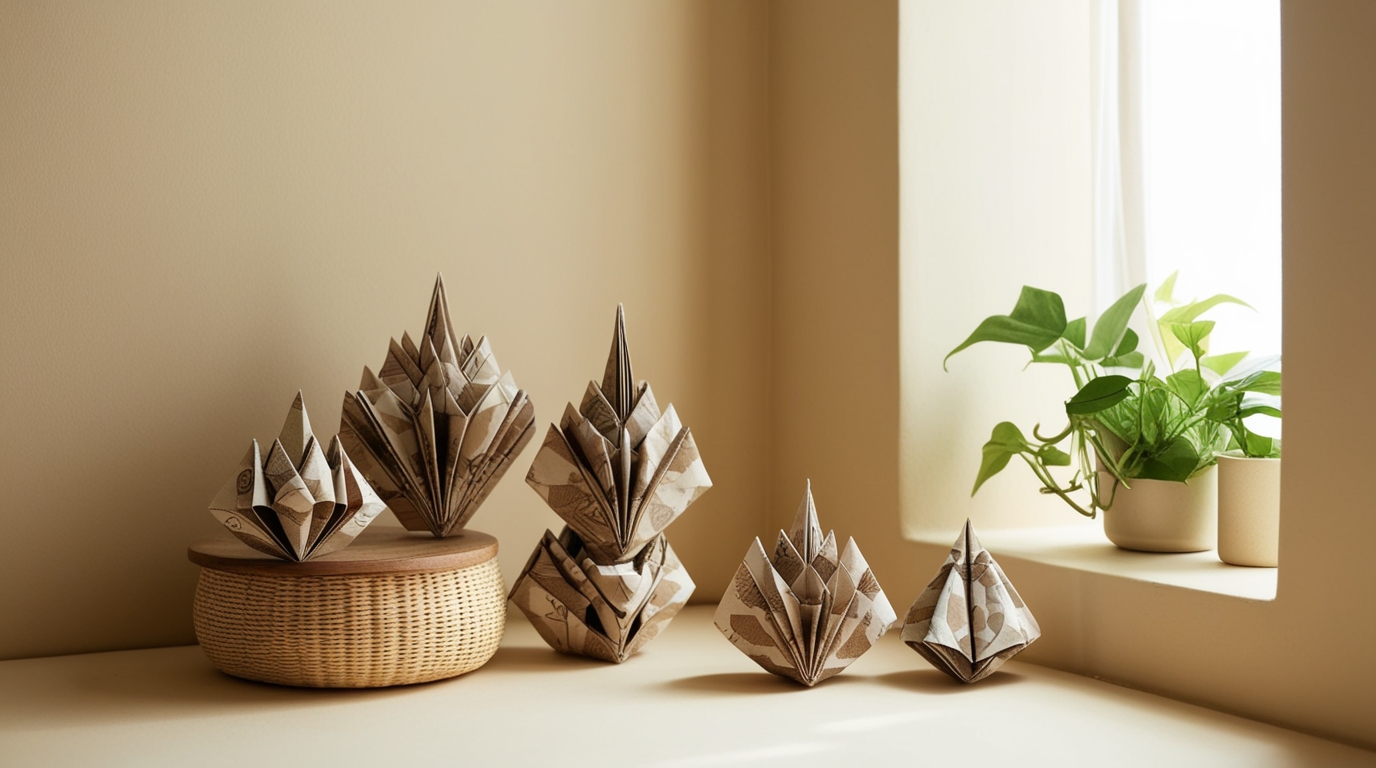
As sustainability becomes a key focus in design, origami fits perfectly into the eco-friendly movement. Many artists and designers now use recycled paper, biodegradable materials, and sustainable fibers to craft origami decor.
At Tulsi Origami, we take pride in combining sustainable materials with traditional folding techniques to create products that are both eco-conscious and aesthetically stunning. From recycled paper wall art to biodegradable paper sculptures, each creation supports the idea of “green living with beauty.”
Origami-inspired design also encourages minimalism, reducing clutter and promoting purposeful decor—each piece has a story, meaning, and place.
The Global Influence of Origami in Design
Origami’s reach extends beyond Japan. It has inspired artists and architects across the globe. Structures like the folding roofs of the Miura Ori design or the Origami Pavilion in London showcase how this ancient art can influence modern engineering and spatial design.
Even luxury brands and contemporary art galleries now embrace origami motifs, incorporating the folds into fashion, furniture, and decor trends. This global appeal is proof that origami’s timeless elegance continues to evolve while preserving its soulful origins.
Bringing Origami into Your Home
If you want to integrate origami-inspired decor into your home, here are a few ideas:
- Choose origami lamps or pendant lights to highlight your living or dining area.
- Add 3D folded wall art as a focal point behind your sofa or bed.
- Use origami-inspired planters or sculptures to add subtle sophistication to corners or open shelves.
- For a personalized touch, commission custom origami pieces from designers like Tulsi Origami that align with your color scheme and room aesthetics.
These small yet thoughtful additions can transform a simple room into a space of creativity and calm.
The Future of Origami in Design
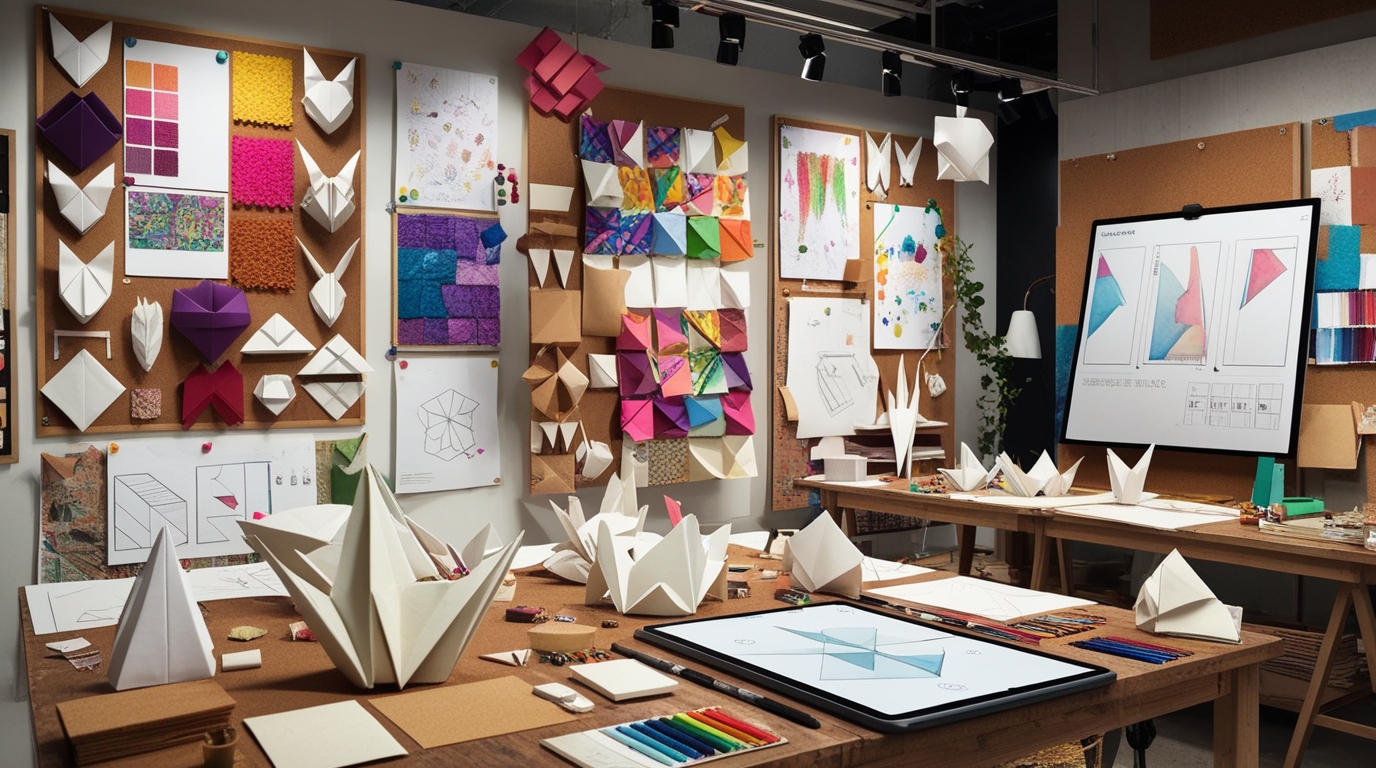
With advancements in design technology and 3D modeling, origami-inspired architecture and interiors are only becoming more innovative. We’re seeing concepts like foldable furniture, adaptive wall systems, and modular home decor inspired by origami principles.
As the lines between art and functionality blur, origami continues to prove its versatility in design. It’s not just about folding paper anymore—it’s about unfolding possibilities.
Conclusion
Origami has come a long way—from ancient cultural symbolism to shaping the modern design language. Its influence on interior design is a testament to how tradition and innovation can coexist beautifully.
At Tulsi Origami, we’re proud to continue this legacy by crafting sustainable, modern, and artful origami creations that redefine how people experience their spaces.
Embrace the folds, celebrate the form, and let origami transform your home.
Comments
0 approved comment(s)
No comments yet. Be the first to share your thoughts!
More from Origami Blog Posts
Dive into more creative origami ideas, stories, and inspiration.

Best Places to Display Origami Art in Your Home or Office
Origami—the timeless Japanese art of paper folding—has evolved far beyond simple cranes and flowers. Today, it’s a form of creative expression that blends craftsmanship with interior aesthetics. Whether you’re decorating a cozy apartment, a professional workspace, or a corporate lobby, origami art can transform any space with its balance, symmetry, and emotion.
Read more
Origami for Focus and Productivity: A Creative Way to De-Stress at Work
In today’s fast-paced corporate world, where emails, meetings, and deadlines often overwhelm our minds, finding a way to stay focused and calm has become essential. While most people turn to coffee or quick breaks, there’s a quieter, more creative solution — origami.
Read more
How to Choose Origami Gifts Based on Someone’s Personality
Choosing a gift becomes truly meaningful when it reflects the recipient’s personality. And when it comes to thoughtful, artistic, and personalized gifts, origami is one of the most unique options available today. Origami gifts are not just paper crafts—they are symbolic, handmade, eco-friendly, and filled with emotion and intention.
Read more