
Origami Blog Posts ● 13 Oct 2025
The Science of Balance and Symmetry in Origami Art
Origami is more than just paper folding — it’s an art rooted in science, geometry, and balance. Every crease, fold, and intersection follows invisible mathematical laws that bring harmony and precision to the final design. When you look at a perfectly crafted origami swan or flower, you’re actually seeing the science of symmetry and balance at work.
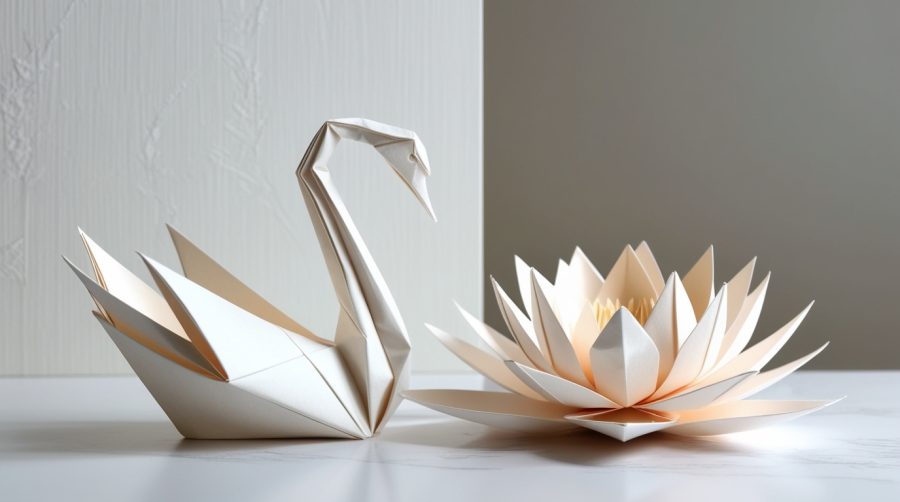
At Tulsi Origami, our creations are not just about artistic expression; they’re built upon these underlying principles that ensure each piece is both visually stunning and structurally perfect. Let’s unfold the science behind the beauty.
1. What Is Balance in Origami?
Balance in origami refers to the even distribution of visual and physical weight throughout the folded model. When a paper sculpture looks stable and harmonious from every angle, it achieves balance.
There are two key types of balance found in origami:
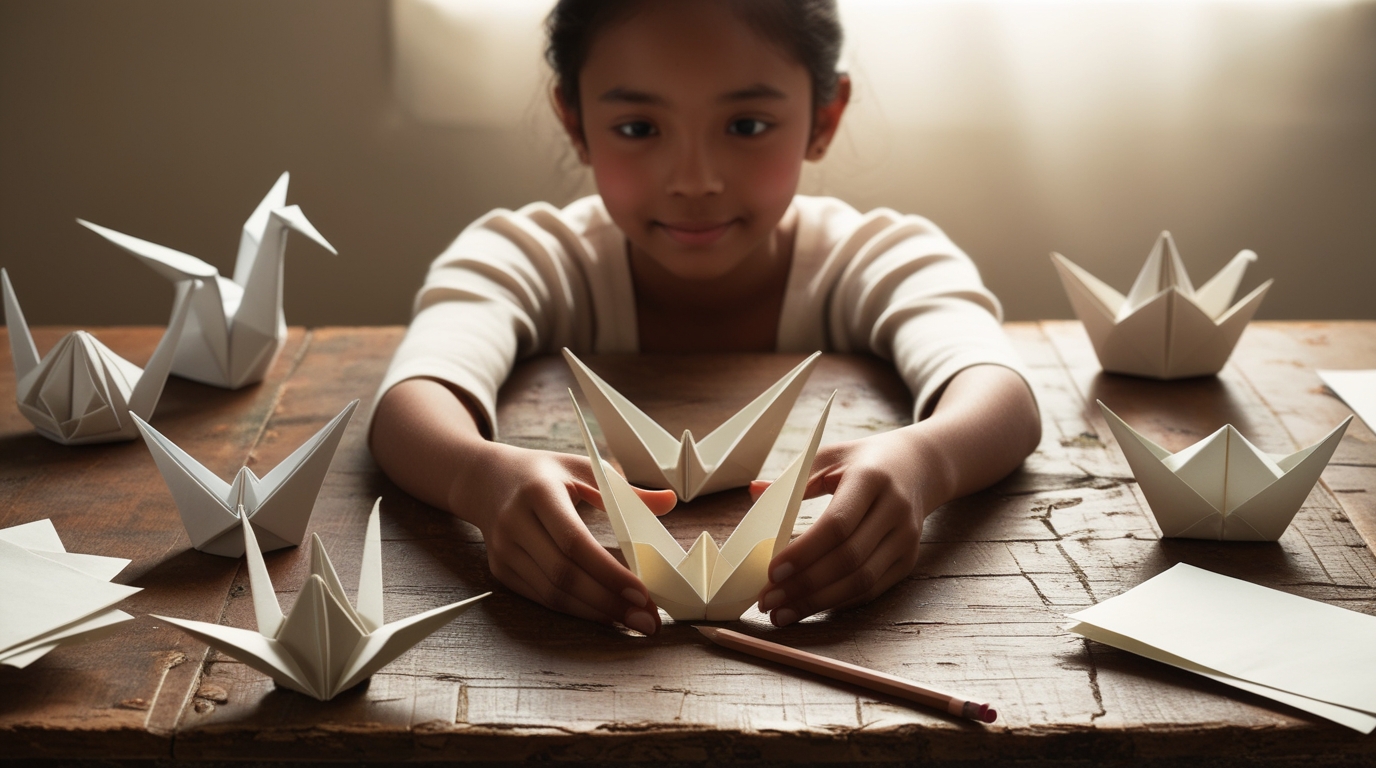
- Symmetrical balance: Both sides of the design mirror each other (like wings of an origami crane).
- Asymmetrical balance: Uneven elements are arranged in a way that still feels visually stable (like abstract floral origami).
This principle is similar to how architects balance structures or painters balance compositions. Without proper balance, an origami figure can appear distorted, tilt awkwardly, or fail to stand upright.
Example:
In Tulsi Origami’s signature 3D Origami Swan, each folded piece is positioned precisely to ensure that the left and right sides carry equal weight — allowing it to stand gracefully without collapsing.
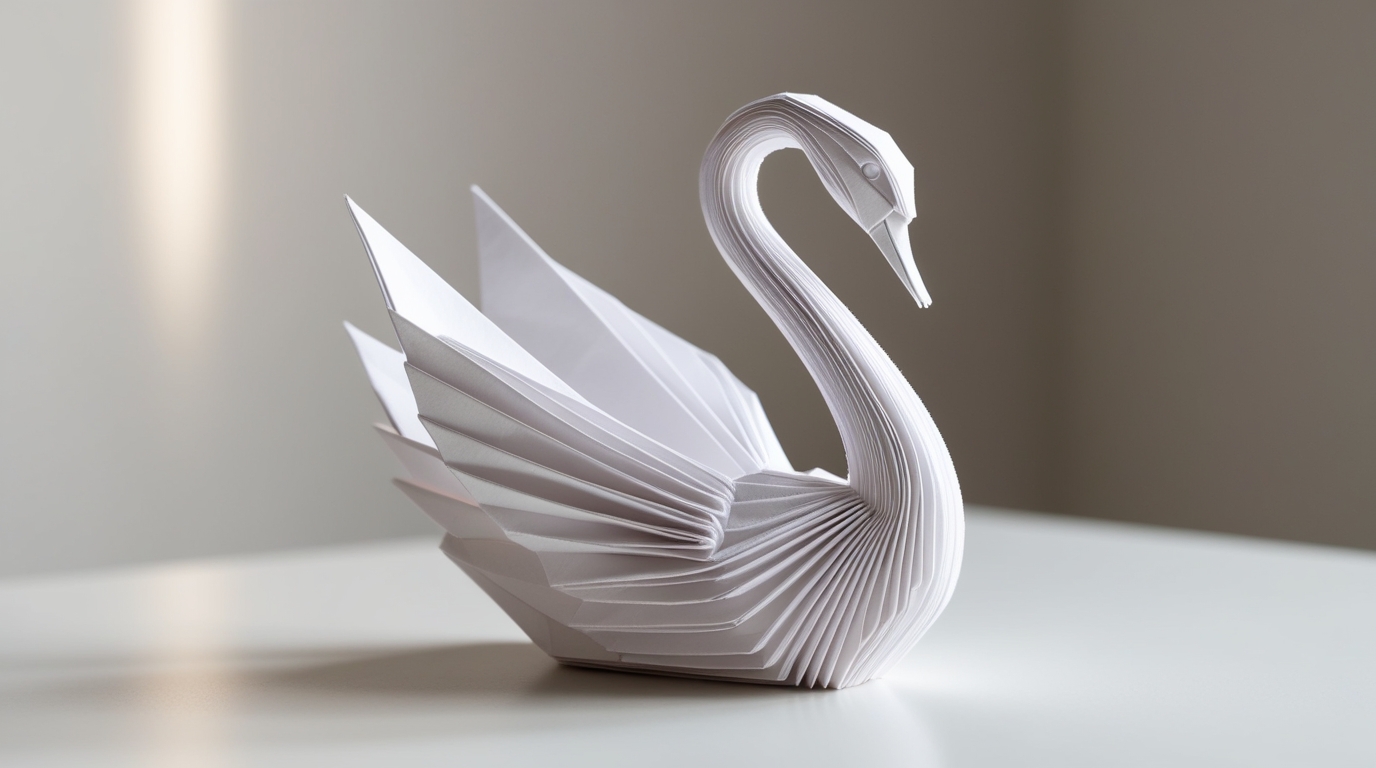
2. The Role of Symmetry in Origami Design
Symmetry is the backbone of most origami designs. It ensures that each side of the creation mirrors the other, creating a sense of order and aesthetic appeal.
In mathematics, symmetry refers to invariance — when an object remains unchanged after certain transformations such as reflection, rotation, or translation. In origami, this means that folding along a central line often produces two identical halves, a principle deeply connected to geometry.
Common symmetry types in origami include:
- Reflective symmetry: Found in butterflies, birds, and flowers.
- Rotational symmetry: Seen in star-shaped origami or lotus designs.
- Translational symmetry: Used in repeating tessellation patterns.
Symmetry is not only about beauty; it also enhances structural strength. Folds that align symmetrically distribute tension evenly, preventing paper from tearing or bending unevenly.
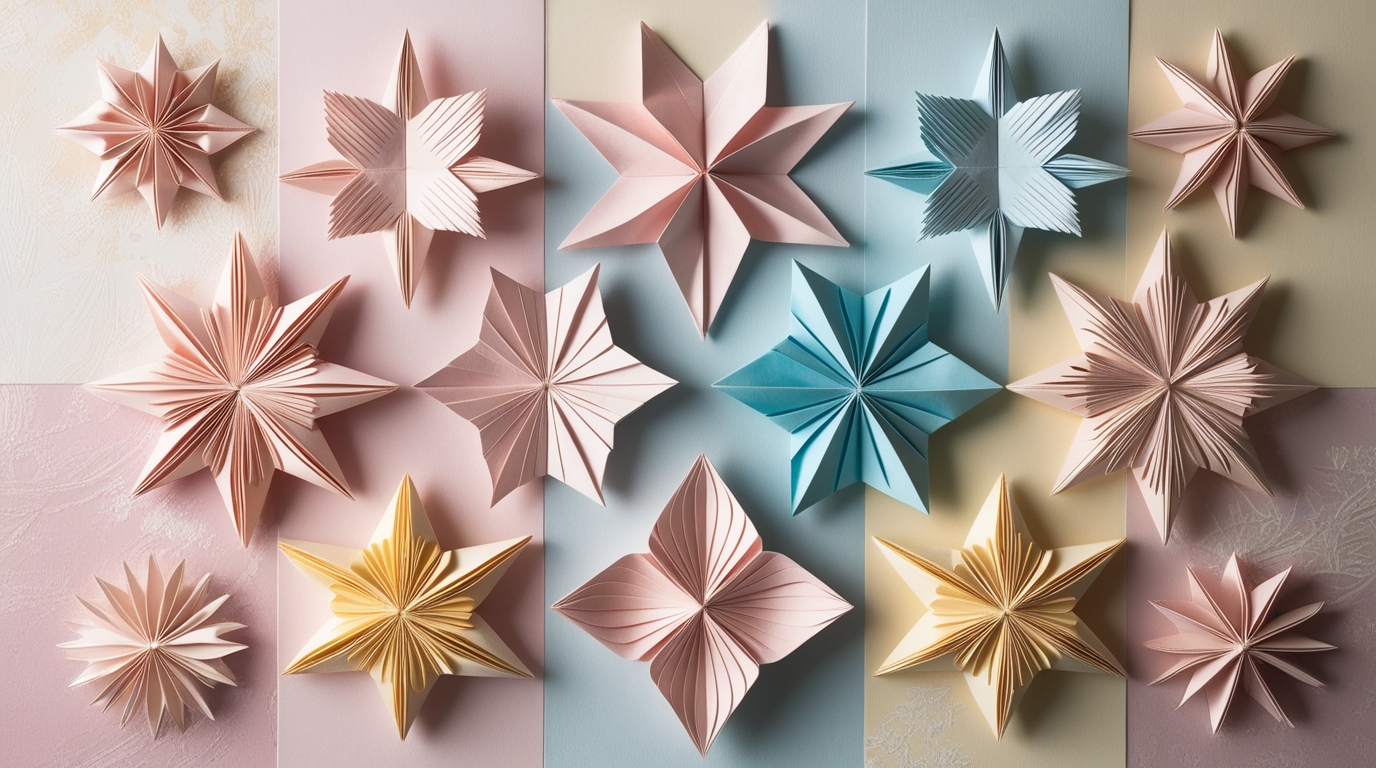
3. Geometry: The Language of Origami
Origami is an elegant fusion of art and geometry. Every fold corresponds to angles, intersections, and axes that define the model’s shape.
Some geometric principles at work include:
- Angles: Accurate angle folds determine whether the model aligns correctly.
- Lines of symmetry: Central folds that act as a reflection axis.
- Polygons and proportions: Used in modular origami, where each unit must fit precisely.
The Japanese term “kami,” meaning paper, reflects the belief that origami is a sacred process — turning flat geometry into three-dimensional life. Each Tulsi Origami design begins with careful geometric planning to ensure that every fold complements the structure.
Fun fact: Mathematicians have even developed algorithms that can simulate complex folds using geometric equations — bridging computer science and traditional art.
4. The Physics of Paper Folding
Origami follows the same physical laws that govern engineering. When folded, paper undergoes tension, compression, and bending. Skilled artists intuitively understand these forces and manipulate them to form curves, edges, and angles without tearing the paper.
In 3D origami, where multiple units interlock, mechanical balance becomes crucial. The interlocking folds create friction that holds the sculpture together without glue. This concept mirrors structural engineering, where forces are distributed to maintain stability.
At Tulsi Origami, our handcrafted models are designed to balance not only visually but also physically — ensuring they stand strong while looking delicate.
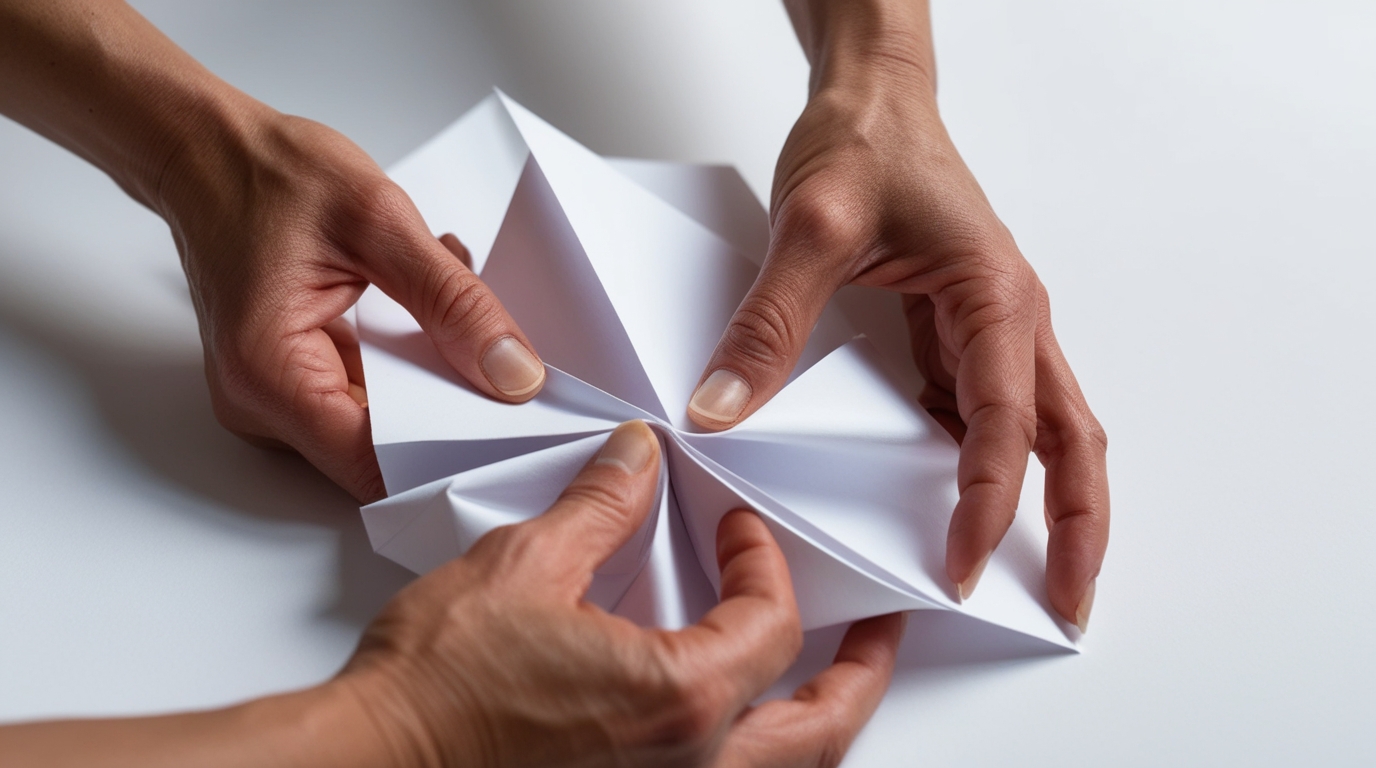
5. Balance Between Art and Science
What makes origami timeless is its balance between creativity and precision. Artists rely on intuition, while science provides structure. Geometry offers the blueprint; the artist brings it to life.
This harmony is what defines Tulsi Origami’s philosophy. Our swans, peacocks, and vases are not just art pieces — they are mathematical expressions of beauty. Every piece reflects hours of careful folding, balance adjustments, and symmetrical perfection.
Origami teaches us patience, mindfulness, and respect for the equilibrium found in nature — from the symmetry of a leaf to the proportions of a butterfly’s wings. It reminds us that balance isn’t just an art principle; it’s a life principle.
Conclusion: Folding Beauty with Precision
The science of balance and symmetry transforms origami from simple craft to sophisticated art. It’s where mathematics meets mindfulness, where a flat sheet of paper becomes a symbol of harmony.
At Tulsi Origami, every fold tells a story of precision and grace — a perfect example of how balance and symmetry shape not just art, but the way we see beauty itself.
If you’ve ever been mesmerized by a perfectly folded origami swan or flower, now you know — you’re witnessing the hidden science of balance at work.
Comments
0 approved comment(s)
No comments yet. Be the first to share your thoughts!
More from Origami Blog Posts
Dive into more creative origami ideas, stories, and inspiration.

Customer Spotlight: Real Stories from Origami Gift Recipients
Every piece of origami created at Tulsi Origami tells a story — not just through the folds of paper but through the emotions it carries. While each design is crafted with precision and love, the true magic begins when these creations reach their new homes. In this customer spotlight, we’re sharing real stories from people who have received Tulsi Origami gifts — stories filled with surprise, joy, nostalgia, and gratitude
Read more
Wedding Return Gifts: Why Origami Art is a Memorable Choice
Every wedding is a story — a celebration of love, togetherness, and beautiful memories. One of the most heartwarming traditions is giving wedding return gifts to guests — a small token of gratitude that says, “Thank you for being a part of our big day.
Read more
The Role of Origami in Modern Architecture and Design
Origami — the ancient Japanese art of paper folding — has long been celebrated for its delicate beauty and creative potential. But in recent years, its influence has transcended art and craft, unfolding into a surprising and innovative field: modern architecture and design.
Read more