
Origami Blog Posts ● 25 Jan 2025
The Symbolism Behind Popular Origami Shapes and Figures
Origami, the ancient Japanese art of paper folding, is more than just a craft—it’s a form of expression rich with cultural significance. Over the centuries, various origami shapes and figures have come to symbolize different virtues, emotions, and ideas. These symbols transcend the physical beauty of the folded paper, carrying deep meanings that resonate with people across cultures. In this blog, we’ll explore the symbolism behind some of the most popular origami shapes, from the iconic paper crane to the delicate butterfly, and how these symbols have evolved over time.

The Paper Crane
Symbolism of Peace and Hope The paper crane is perhaps the most recognized and cherished origami figure, embodying the concepts of peace, hope, and healing. In Japanese culture, the crane is a mystical creature believed to live for a thousand years. This association with longevity and good fortune has made the paper crane a powerful symbol of enduring hope.
The story of Sadako Sasaki, a young girl who survived the Hiroshima bombing only to develop leukemia, brought global recognition to the paper crane. Sadako began folding cranes in the hope of making a thousand, which according to legend, would grant her a wish for recovery. Although she passed away before reaching her goal, her story inspired millions, and the paper crane became an international symbol of peace and the desire for a world free of nuclear weapons.
Today, folding a thousand paper cranes, known as Senbazuru, remains a powerful act of prayer and wish-making, symbolizing the hope for peace and the strength to overcome challenges.
Butterflies in Origami
Representations of Transformation and Beauty In origami, butterflies are often associated with transformation, beauty, and the ephemeral nature of life. The butterfly’s life cycle, from caterpillar to chrysalis to adult, mirrors the concept of metamorphosis, making it a symbol of personal growth and change. In many cultures, butterflies also represent the soul and the spiritual journey, adding layers of meaning to this delicate origami figure.
In Japanese tradition, butterflies are seen as souls of the living and the dead. A pair of butterflies is also a symbol of marital happiness, making origami butterflies a popular choice for wedding decorations and gifts. The elegance and grace of the butterfly, captured in the folds of paper, serve as a reminder of the beauty and impermanence of life.
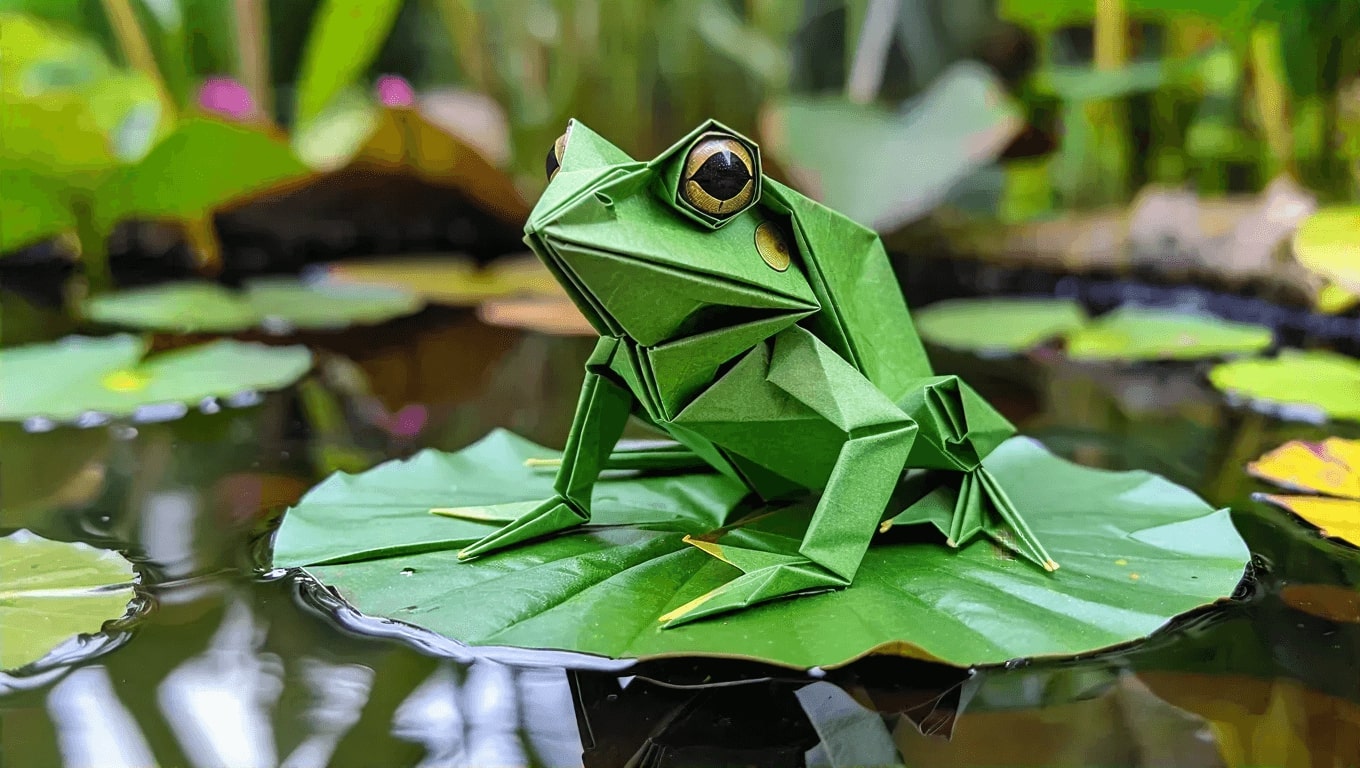
Origami Frogs
Symbols of Prosperity and Good Fortune The origami frog is another figure rich in symbolism, particularly in Japanese culture, where the word for frog, “kaeru,” also means “to return.” This play on words has led to the frog being seen as a symbol of good fortune, especially in terms of money or travelers returning home safely.
It’s common for people to keep an origami frog in their wallets or give them as gifts to wish others financial prosperity and safe journeys. The simplicity of the frog’s design, combined with its positive connotations, makes it a beloved figure in the world of origami. In some interpretations, the frog is also seen as a symbol of renewal and rebirth, further enhancing its association with good fortune.
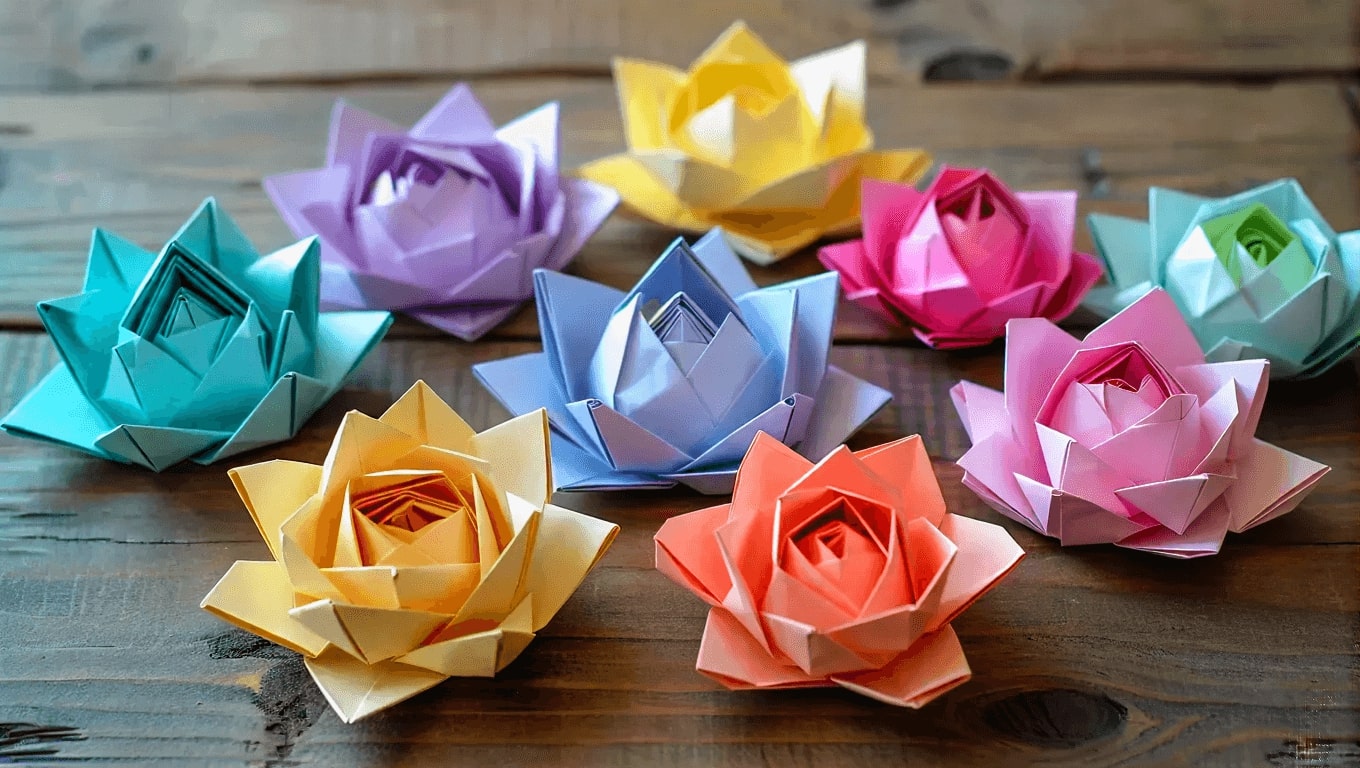
Origami Flowers
Meanings Behind Popular Floral Designs Origami flowers are not only beautiful but also deeply symbolic, each type of flower carrying its own unique meaning. For example:
- Origami Lotus: The lotus flower is a symbol of purity, enlightenment, and rebirth in many cultures, particularly in Buddhism. The lotus rises from the mud to bloom above the water, symbolizing the journey of the soul toward spiritual awakening.
- Origami Rose: The rose is universally recognized as a symbol of love and romance. In origami, the rose is often given as a token of affection or as a gesture of appreciation and gratitude.
- Origami Lily: The lily is associated with purity, virtue, and renewal. In Christian symbolism, the lily represents the Virgin Mary and is often used in religious ceremonies and decorations.
Origami flowers, with their intricate folds and delicate forms, allow artists to convey deep emotions and sentiments, making them popular gifts for special occasions.
Traditional and Modern Symbols
How Symbolism Has Evolved Over Time While traditional origami symbols like the crane and frog have long-standing cultural meanings, modern origami has introduced new symbols and interpretations. Contemporary origami artists often experiment with abstract designs or create figures that reflect current social issues, personal experiences, or artistic innovation.
For instance, origami has been used in environmental activism, with figures representing endangered species or natural elements to raise awareness about conservation. In some cases, artists have reinterpreted traditional symbols to reflect modern values, blending the old with the new to create a dynamic and evolving art form.
The evolution of symbolism in origami highlights the art form’s adaptability and relevance in today’s world. Whether rooted in ancient tradition or inspired by modern ideas, the symbols created through origami continue to resonate with people, conveying messages that are both personal and universal.
Conclusion
Encouraging Readers to Explore the Deeper Meanings in Their Origami Creations Origami is more than just folding paper; it’s a way to connect with cultural heritage, express emotions, and communicate deeper meanings. Whether you’re creating a paper crane, a butterfly, or a lotus flower, each figure carries with it a rich tapestry of symbolism that adds depth to your craft.
By exploring the symbolism behind popular origami shapes, you can infuse your creations with intention and meaning, making your work not only visually stunning but also emotionally resonant. As you continue your journey in origami, take the time to learn about the cultural significance of the figures you fold and consider how these meanings might enhance your artistic expression.
Comments
0 approved comment(s)
No comments yet. Be the first to share your thoughts!
More from Origami Blog Posts
Dive into more creative origami ideas, stories, and inspiration.

The Science of Paper: Understanding the Materials Behind Origami
Origami, the ancient Japanese art of paper folding, is as much about the material as it is about the technique. The choice of paper is a fundamental aspect that can significantly affect the outcome of an origami piece. From the ease of folding to the durability of the finished product, the type of paper used plays a crucial role in the art form. This blog delves into the science behind origami paper, exploring the different types of paper used, their properties, and how these materials influence the final creation. Understanding the material behind origami allows artists to select the best paper for their projects, ensuring their creations are both beautiful and long-lasting.
Read more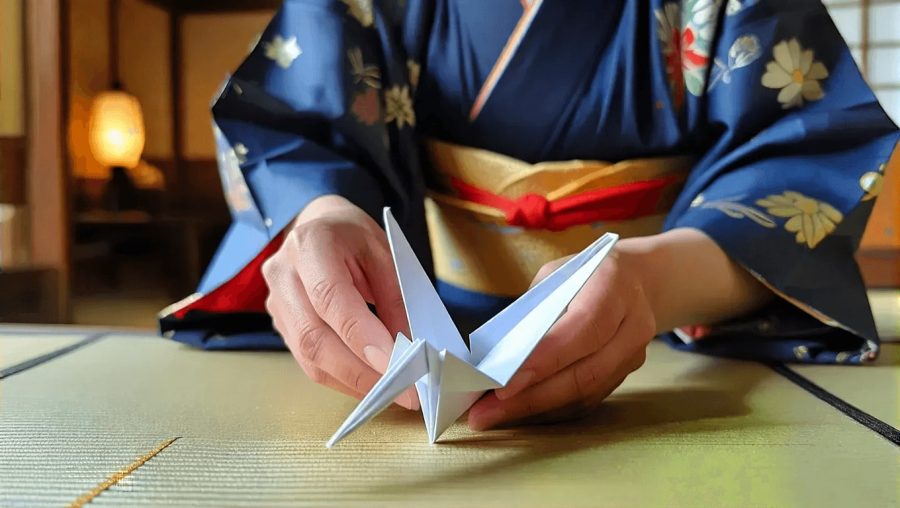
The History of Origami: From Tradition to Modern Art
Origami, the ancient art of paper folding, is more than just a creative hobby; it is a practice deeply rooted in history, culture, and tradition. What began as a ceremonial art form in Japan has evolved into a global phenomenon, influencing modern art, design, and even science. The simplicity of transforming a single sheet of paper into intricate designs captures the imagination, making origami a timeless art form that transcends cultural boundaries. This blog will explore the rich history of origami, tracing its journey from traditional practices to its modern-day innovations.
Read more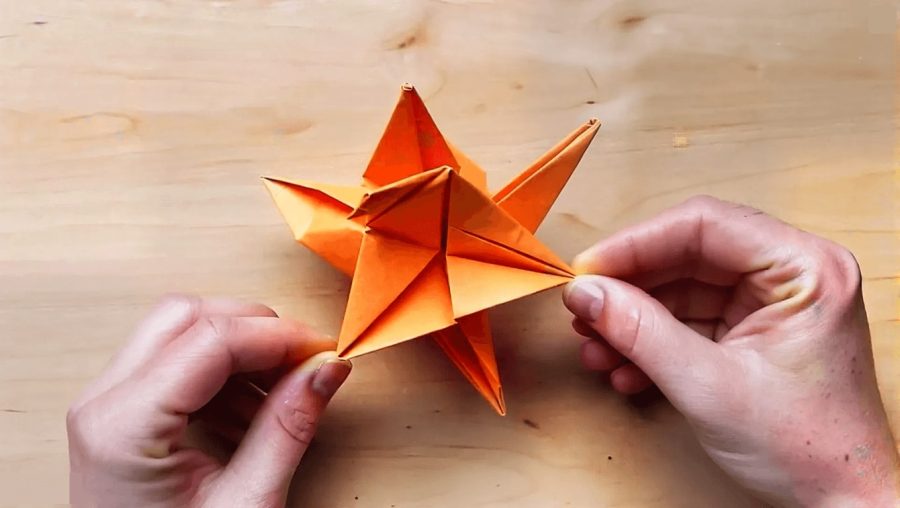
The Art of Paper Folding: Tips for Perfecting Your Technique
Origami, the ancient Japanese art of paper folding, is a beautiful and intricate craft that has captivated people for centuries. While the concept of turning a simple sheet of paper into a detailed model may seem straightforward, achieving perfection in origami requires skill, patience, and practice. The beauty of origami lies not just in the final creation but in the precision and technique used to fold each crease. Whether you’re a beginner or an experienced folder, refining your technique is essential to mastering this art form. In this blog, we will explore essential tips to help you perfect your origami skills.
Read more