
Origami Blog Posts ● 10 Sep 2025
Origami and Culture: Symbolism in Asian Paper Art
Origami, the intricate art of paper folding, is far more than a hobby or decorative craft. Across Asia, this beautiful tradition carries deep cultural and spiritual meanings. Each fold represents not just creativity, but also centuries of history, symbolism, and storytelling. From ancient Japanese rituals to modern celebrations, origami has been a bridge connecting art, culture, and emotion.

In this blog, we explore the origins of origami, its cultural significance across Asian countries, and the powerful symbolism behind some of the most beloved designs. Understanding the meaning of origami makes these delicate creations even more special, especially when they are shared as gifts or displayed as home décor.
The Origins of Origami
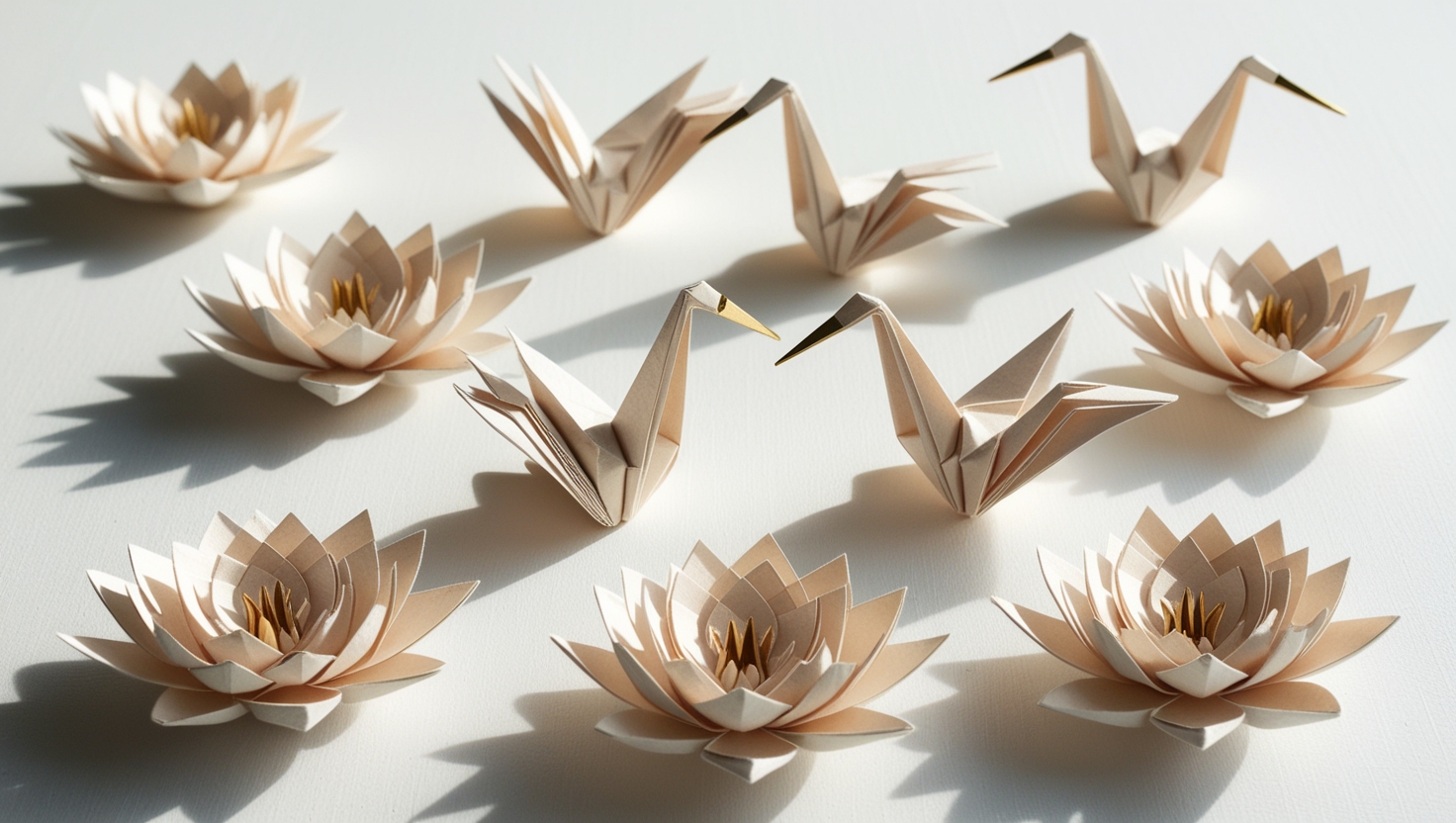
Origami traces its roots back to ancient Asia, with both Japan and China playing key roles in its development. Paper itself was invented in China around 100 BCE, and folding paper quickly became part of spiritual and artistic practices.
In Japan, origami evolved into a ceremonial art form. It was often used in religious rituals, weddings, and formal events. For instance, folded paper butterflies, called Ocho and Mecho, were traditionally placed on sake bottles during wedding ceremonies to symbolize the union of two souls.
Over time, origami spread across Asia and the world, adapting to various cultures while retaining its symbolic roots. Today, it continues to be celebrated both as a traditional craft and a form of modern artistic expression.
Origami in Japanese Culture
In Japan, origami is deeply connected to spirituality and harmony. Many classic designs carry symbolic meanings that are still recognized today:
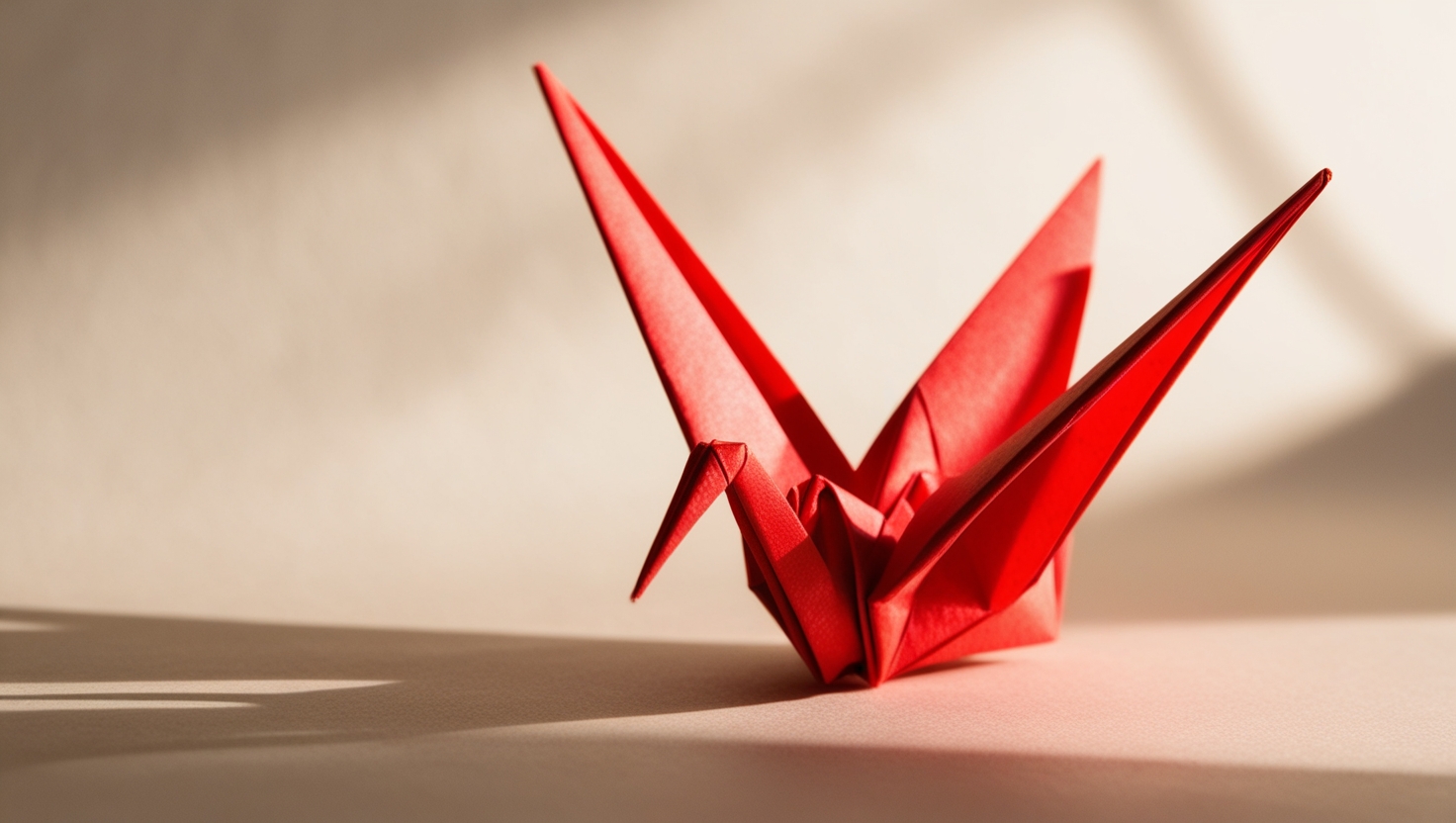
- Origami Crane (Orizuru): The crane represents peace, hope, and long life. It is also linked to the legend that folding 1,000 cranes grants the folder a special wish or blessing.
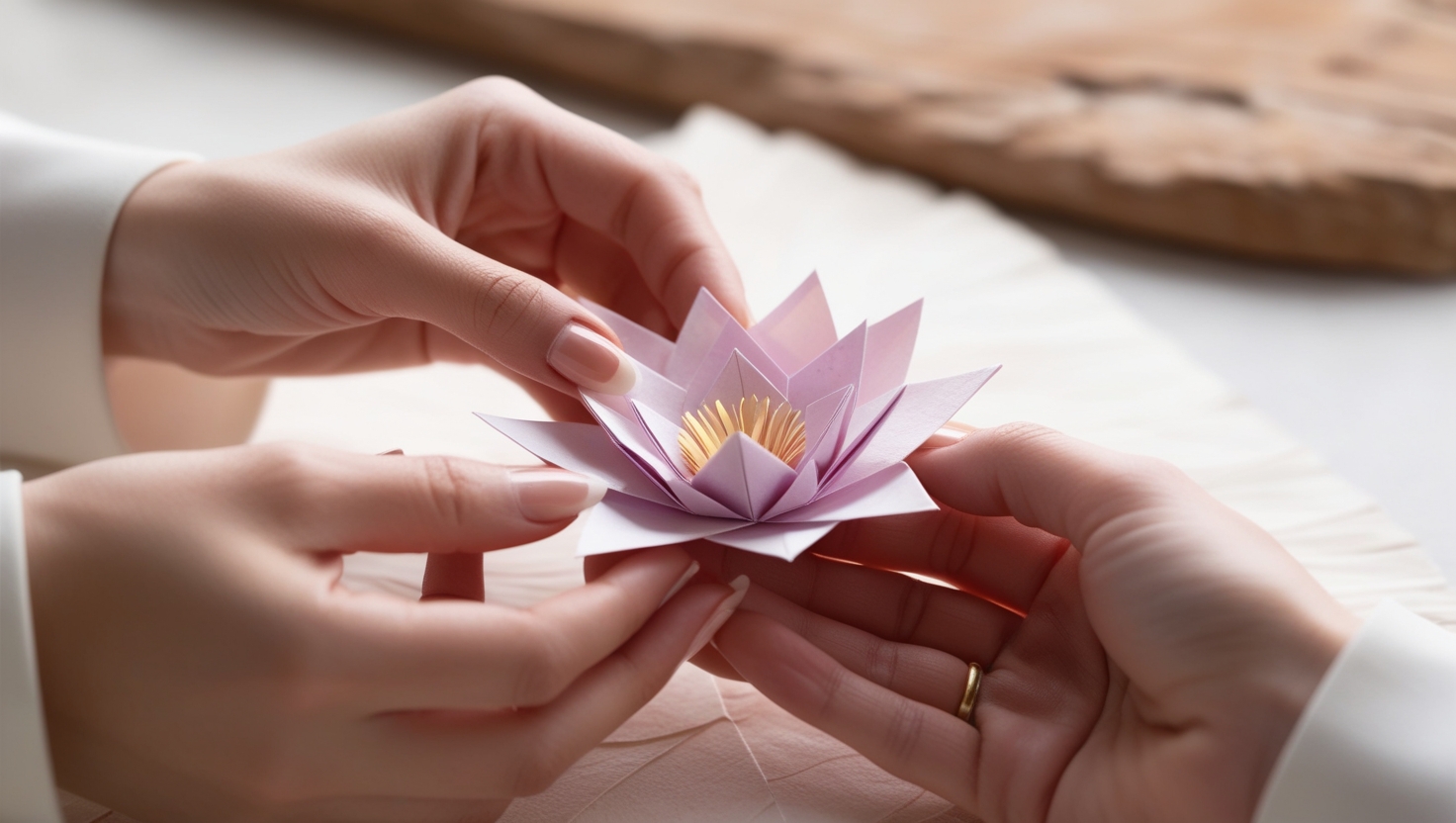
- Origami Lotus: The lotus flower symbolizes purity, enlightenment, and rebirth, often used in Buddhist ceremonies.
- Origami Frog (Kaeru): The frog is a symbol of good luck and safe travels, making it a popular design for gifting to travelers.
These designs go beyond decoration—they are meaningful tokens that convey emotion, blessings, and spiritual energy.
Chinese Paper Art and Symbolism
While Japan popularized the term "origami," China also has a rich history of paper folding and cutting. In Chinese culture, folded paper objects were traditionally used in festivals and religious ceremonies.
- Paper Boats: Symbolize safe journeys and are often used in rituals to honor ancestors.
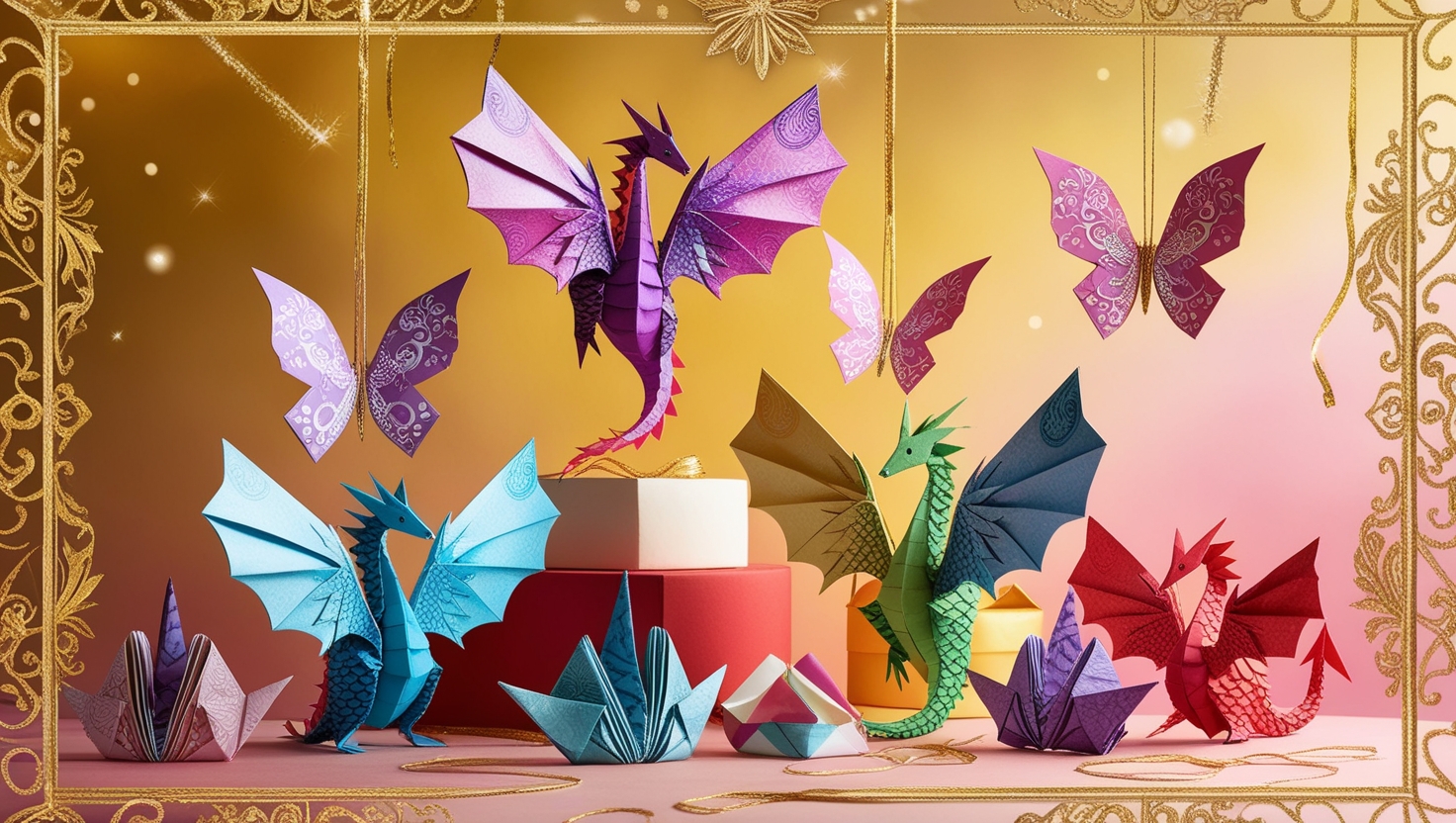
- Paper Butterflies: Represent love, joy, and happiness, commonly given at weddings or romantic occasions.
- Paper Dragons: Symbolize strength, prosperity, and protection.
These folded designs often carry blessings for health, wealth, and harmony. Even today, paper folding is an important part of celebrations such as the Lunar New Year and traditional temple offerings.
Origami in Modern Celebrations
Origami has evolved from a ceremonial practice into a universal art form celebrated across the globe. In modern times, it is often used to decorate homes, celebrate milestones, and create meaningful gifts. For example:
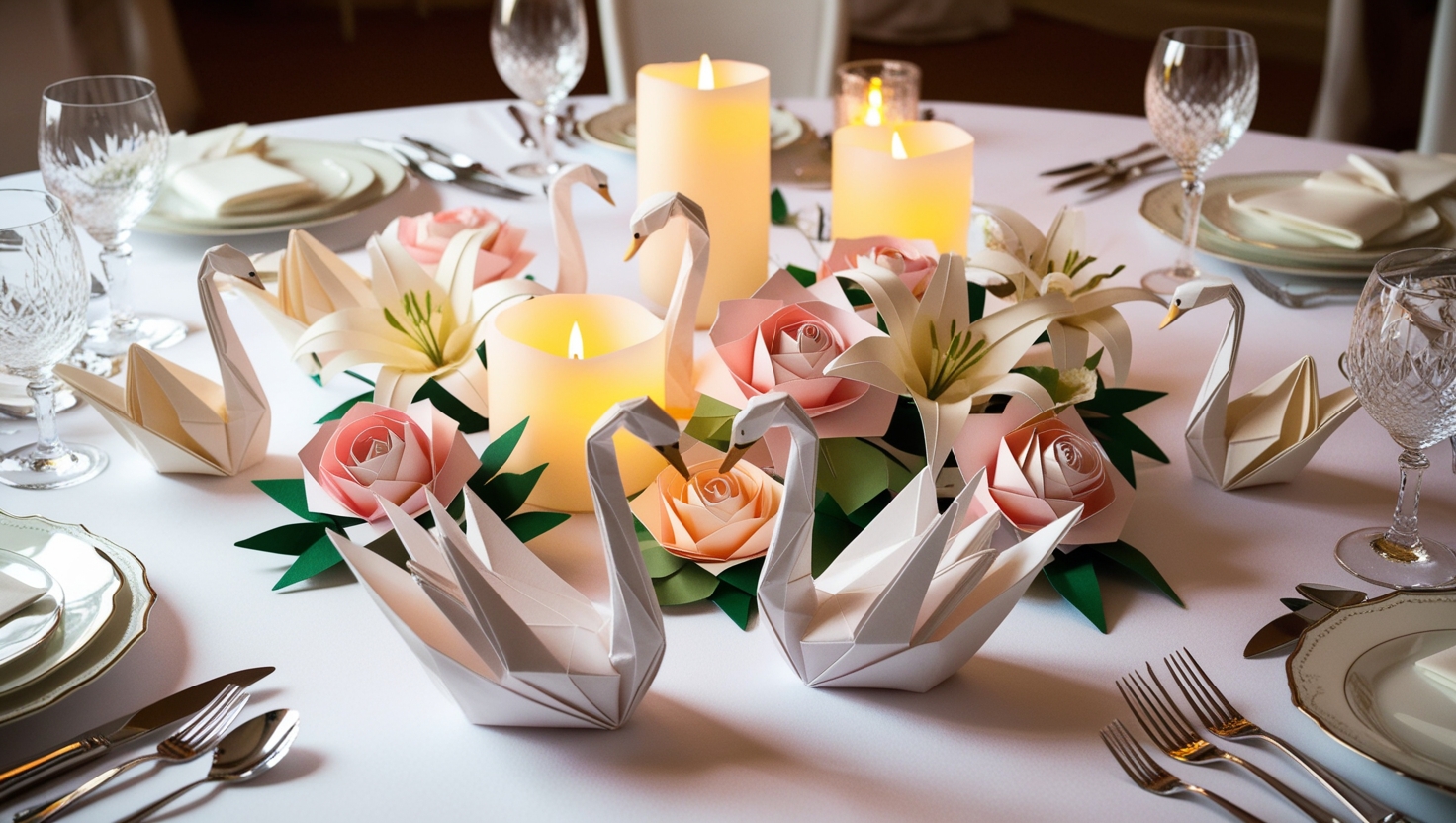
- Weddings: Cranes and lotus flowers are used as centerpieces and favors, symbolizing love and new beginnings.
- Birthdays: Origami stars or flowers are often gifted to bring joy and good fortune.
- Festivals: Paper folding plays a big role in Asian festivals, adding beauty and symbolism to traditional celebrations.
The Universal Language of Folding
One of the most remarkable things about origami is how it transcends language barriers. A single origami crane can convey peace, hope, and love without a word being spoken. This universal language makes origami a powerful tool for connecting people across cultures and generations.
Whether you are folding origami as a gift, a decoration, or a spiritual offering, each creation carries a piece of cultural history and personal emotion.
Conclusion: Folding Stories and Traditions
Origami is more than just paper art—it is a timeless expression of culture, spirituality, and human connection. Each fold tells a story, and every design holds meaning. By understanding the symbolism behind origami, you not only appreciate its beauty but also become part of a centuries-old tradition.
So, the next time you give or receive an origami gift, remember that you are holding a piece of cultural heritage folded with love and intention.
Comments
0 approved comment(s)
No comments yet. Be the first to share your thoughts!
More from Origami Blog Posts
Dive into more creative origami ideas, stories, and inspiration.

Top Customer Favorites: Stories Behind Our Bestselling Designs
Every origami piece we create is more than just folded paper—it’s a work of art with meaning, care, and passion behind it. Over the years, our customers have shared heartwarming stories about how our handmade origami designs have touched their lives. From wedding gifts to home décor, these creations have become part of cherished memories and special moments.
Read more
How to Personalize Your Origami Gift (With Real Examples)
Origami gifts are already a unique way to show someone you care. Each fold represents time, effort, and love. But what if you could take it one step further? Personalizing your origami gift can turn a beautiful creation into a one-of-a-kind keepsake. In this guide, we’ll explore simple, creative ways to customize your origami presents and share real examples that will inspire you.
Read more
The Perfect Corporate Gift: Impress Clients with Custom Origami
Corporate gifting is more than just a formality—it’s a way to build relationships, express appreciation, and leave a lasting impression on clients and partners. But let’s face it, traditional gifts like pens, mugs, and diaries often end up forgotten. That’s where custom origami gifts come in, offering creativity, elegance, and personal touch that clients will remember long after the meeting ends.
Read more