
Origami Blog Posts ● 02 Jun 2025
The Art of Origami: A Journey from Tradition to Modern Decor
Origami is the traditional Japanese art of paper folding. The word origami comes from two Japanese words: ori meaning “folding” and kami meaning “paper.” This beautiful art form transforms a simple piece of paper into intricate designs, animals, flowers, and even abstract shapes — all without using scissors or glue.

The Roots of Origami
Origami has been practiced for centuries. It began in Japan and China, where paper was a valuable material used in rituals and celebrations. Over time, origami became a form of artistic expression. Traditional models like the crane, frog, and samurai helmet hold deep cultural meanings and are still made today.
In Japanese culture, the crane symbolizes peace and long life. People often fold 1,000 cranes (senbazuru) to make a wish or offer hope to someone in need.
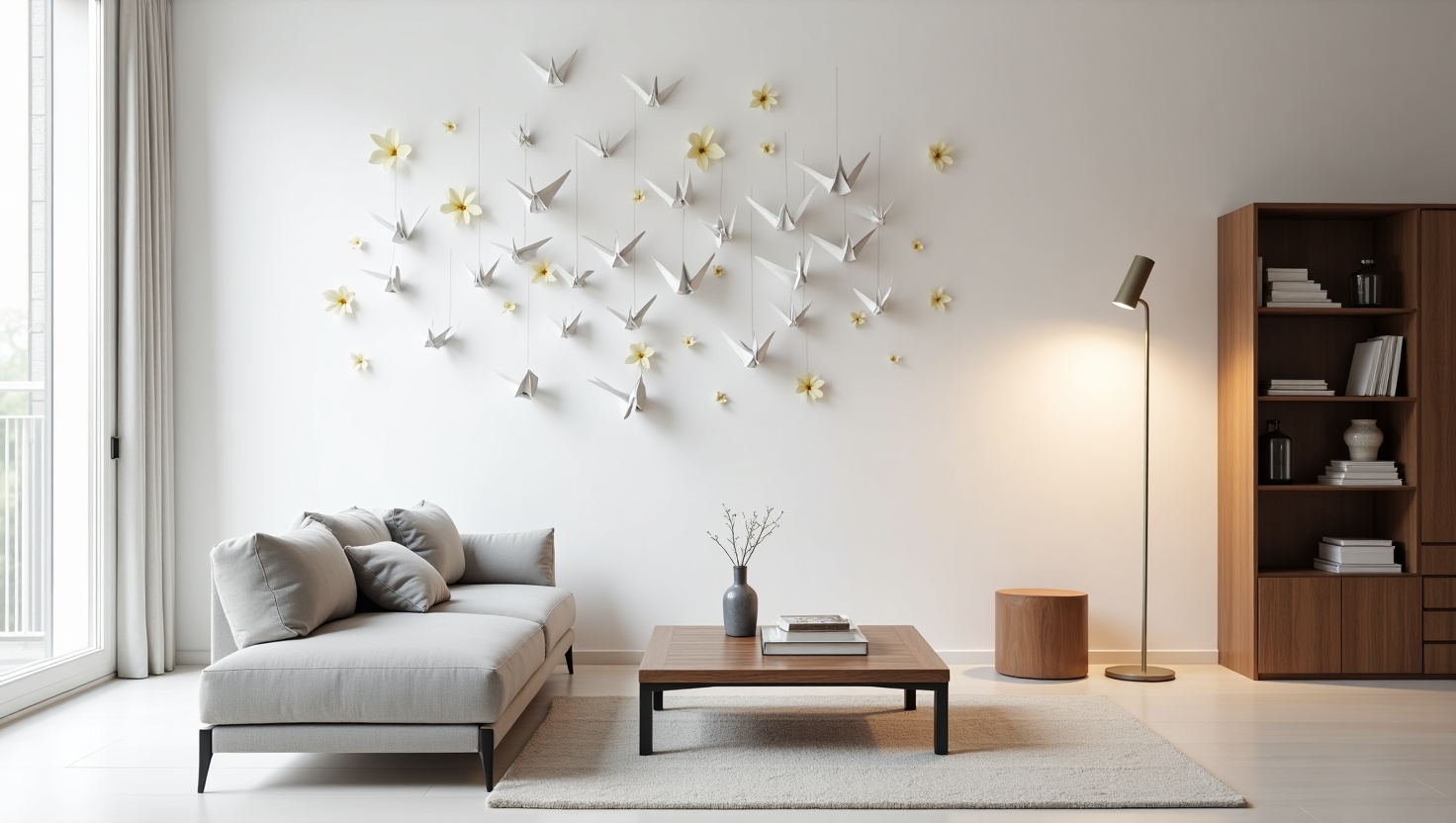
Origami in the Modern World
While origami has deep traditional roots, it has also evolved into a modern art form. Today, artists and designers use origami techniques to create:
- Wall art and home decor
- Custom gifts and keepsakes
- Event decorations like wedding centerpieces
- Fashion accessories and jewelry
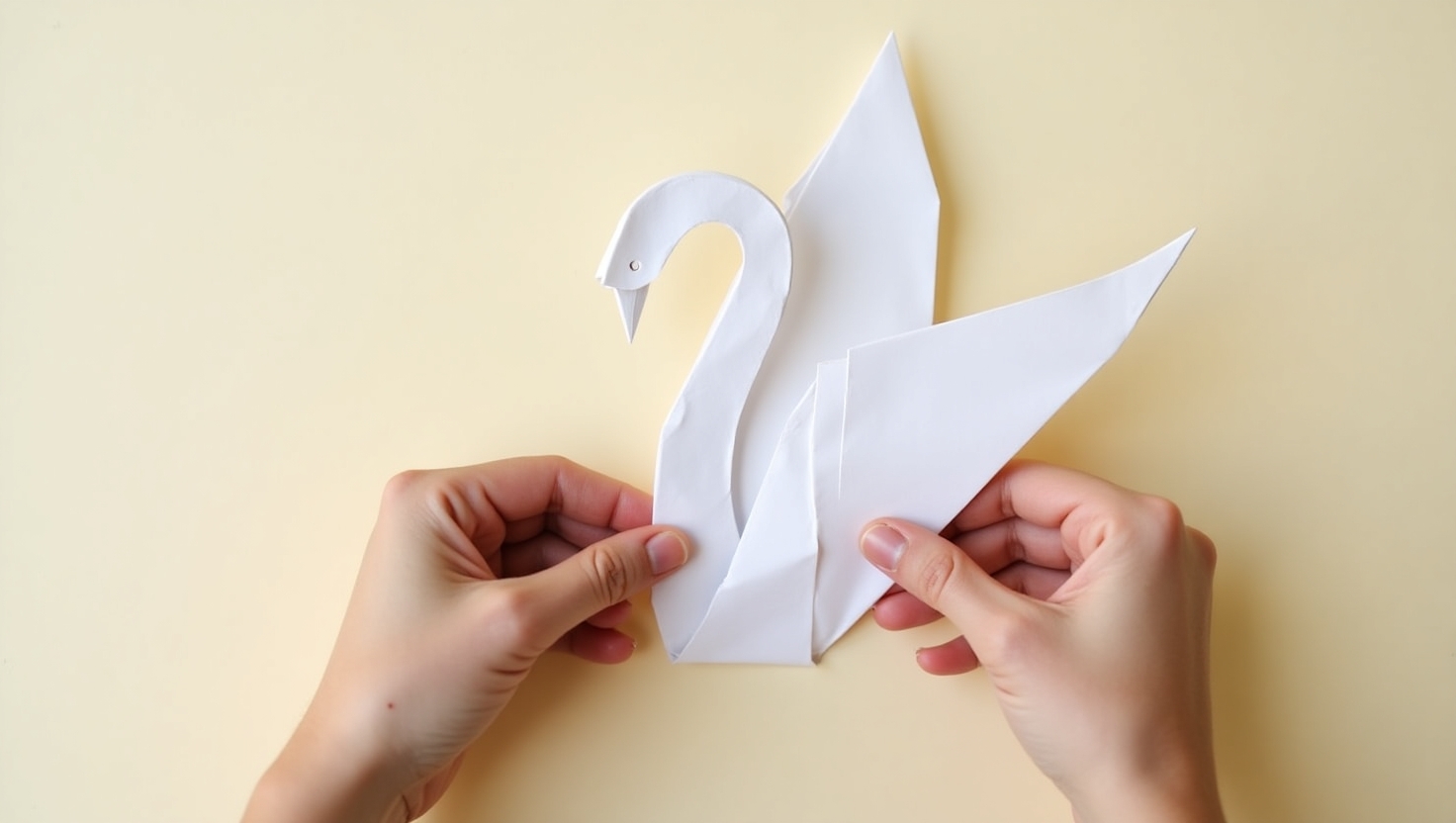
Modern origami blends beauty with creativity. Paper isn't the only material used anymore — artists now work with fabrics, metals, and even wood, inspired by the principles of origami.
Origami as Home Decor
Many people are now using origami as part of their modern interior design. Why? Because it’s minimal, meaningful, and handmade — a perfect match for clean and stylish living spaces.
Origami can be used in many ways, such as:
- Hanging wall pieces like origami butterflies or birds
- Tabletop displays of paper flowers or vases
- Frame-worthy art pieces made from folded paper
- Elegant centerpieces for festivals or parties
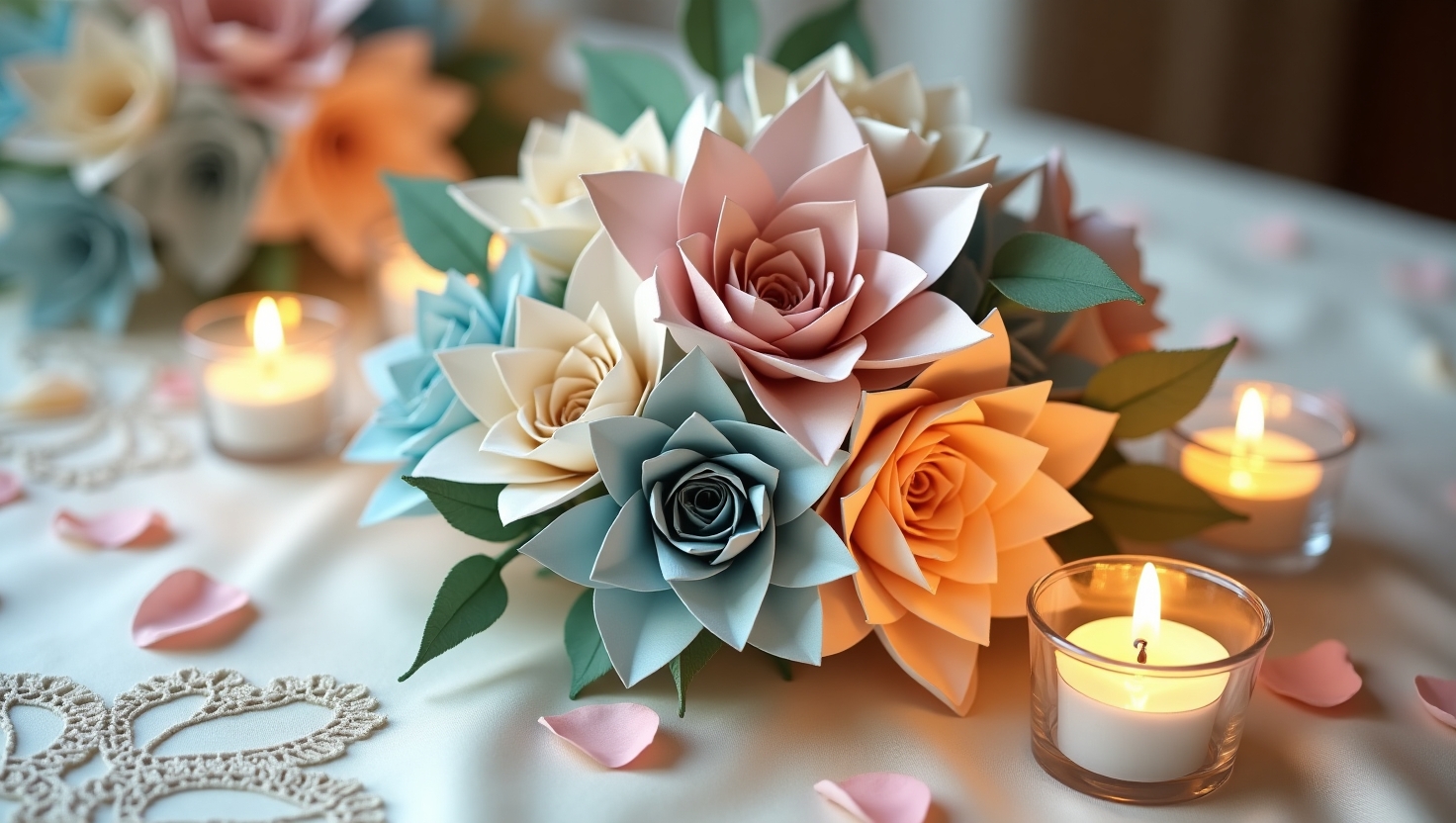
These elements add a touch of nature, geometry, and craftsmanship to any room.
Why People Love Origami Gifts
Handmade origami gifts are unique and personal. In a world full of mass-produced items, people appreciate something made with care. Origami gifts are also eco-friendly, often made from recycled or biodegradable paper.
Some popular origami gift ideas include:
- Personalized paper sculptures
- Decorative swans or peacocks
- Origami jewelry
- Framed name art or love messages
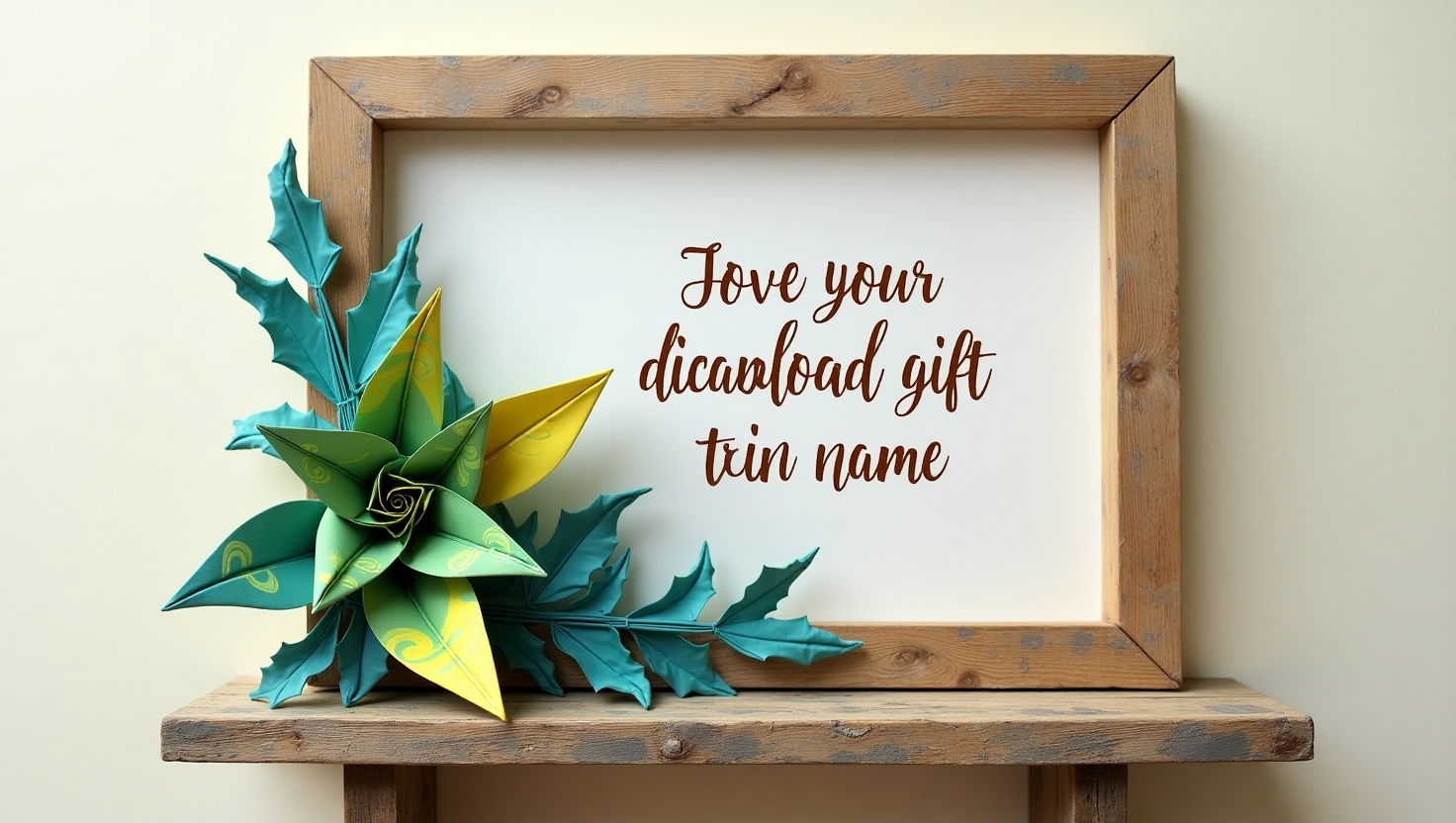
Whether it’s a birthday, wedding, or housewarming gift, origami offers a thoughtful and creative way to say you care.
Final Thoughts
From ancient traditions to modern homes, origami has traveled a long journey — and it’s more popular today than ever before. Whether you're a fan of Japanese culture, a lover of handmade decor, or someone looking for a unique gift, origami has something magical to offer.
Comments
0 approved comment(s)
No comments yet. Be the first to share your thoughts!
More from Origami Blog Posts
Dive into more creative origami ideas, stories, and inspiration.

How to Choose the Perfect Origami Gift for Any Occasion
In a world filled with factory-made products and mass-produced items, nothing compares to the charm and warmth of a handmade gift. Origami — the Japanese art of paper folding — isn’t just beautiful, it's meaningful, artistic, and deeply personal. An origami gift stands out because it combines traditional craftsmanship with a modern aesthetic, making it ideal for any occasion.
Read more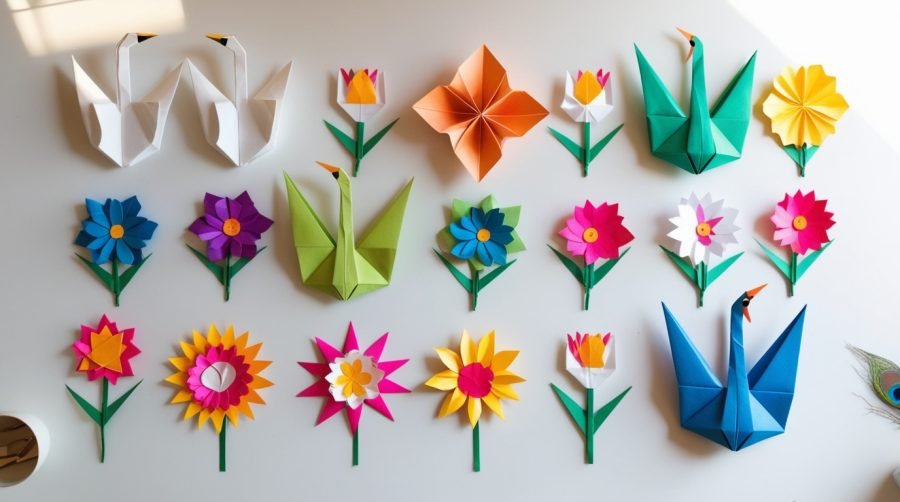
Behind the Scenes: How Our Handmade Origami Pieces Are Crafted
At Tulsi Origami, every piece of art we create is made by hand with care and precision. Whether it's a delicate swan, a graceful peacock, or a colorful flower bouquet, our origami pieces are more than just folded paper—they're works of art filled with meaning and craftsmanship.
Read more
Origami for Weddings: Unique Décor and Gift Ideas
Weddings are all about love, beauty, and personal expression. That’s why more couples today are choosing handmade wedding décor and gifts to make their special day unique. One of the most elegant and meaningful ways to add a personal touch is with origami wedding decor and gifts.
Read more